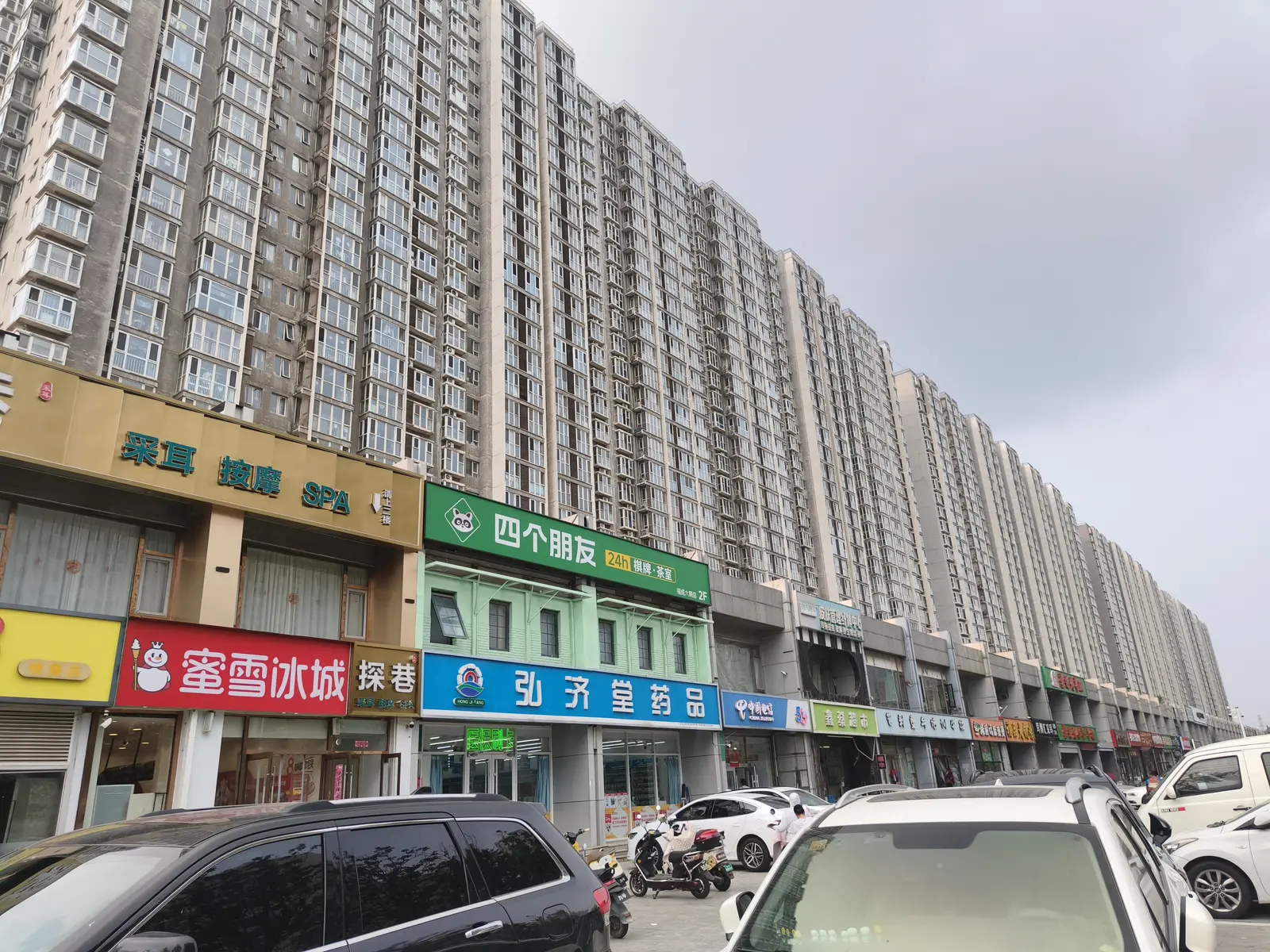
I took these photos on a recent trip near Beijing. Travelling always brings up small, everyday details that don't show up in a textbook, so here are a few worth knowing, starting with one that surprises almost every new student: what time is it here, really?
One clock for the whole country
China is roughly as wide as the continental United States, a distance that would normally span four or five time zones. Instead, the entire country, from the east coast to the far western deserts of Xinjiang, uses a single official time: 北京时间 (Běijīng Shíjiān), Beijing Time, fixed at UTC+8. There is no "China Standard East" or "China Standard West." Everyone, everywhere in the country, looks at the same clock.
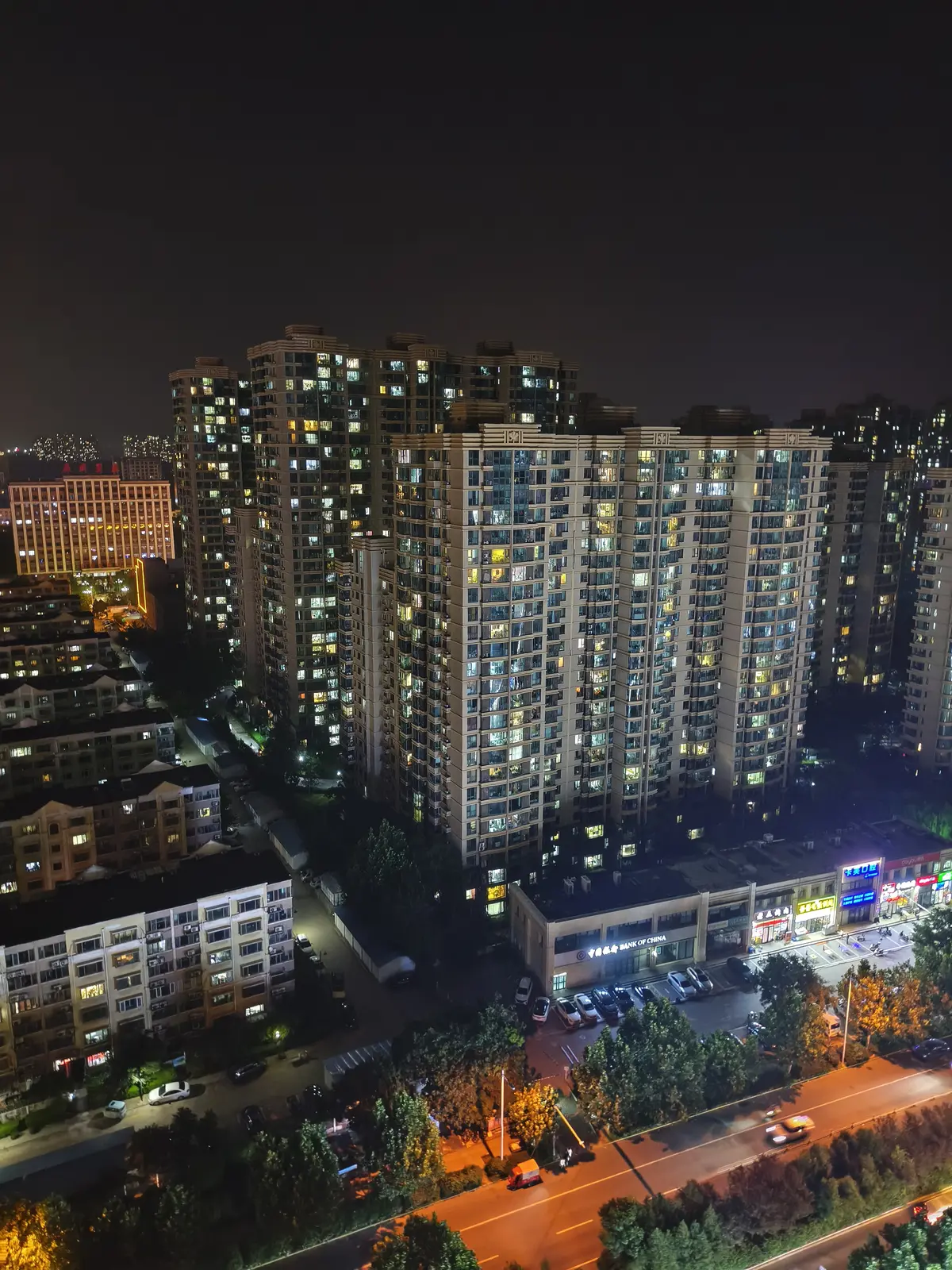
This wasn't always inevitable. Before 1949, China used five time zones, roughly matching its actual geography. The new government unified the whole country under a single time zone, largely as a matter of national unity and administrative simplicity. It has stayed that way ever since.
There was also a brief experiment with daylight saving time. From 1986 to 1991, clocks moved forward an hour each summer to save energy. The idea never really caught on: it proved impractical to coordinate across such a large country and unpopular with the public, so it was dropped after 1991 and hasn't returned since. Today, Beijing Time simply stays the same, summer and winter alike.
| 时区 | shíqū | Time zone |
| 时差 | shíchā | Time difference / jet lag |
| 北京时间 | Běijīng Shíjiān | Beijing Time (China's only official time) |
| 夏令时 | xiàlìngshí | Daylight saving time |
What that means 3,000 km to the west
The effect is most dramatic in Xinjiang, in China's far northwest. Officially, life there runs on Beijing Time, so the sun can still be low in the sky at 9am and offices might not open until 10am or later. In summer, it can stay light past 10pm. Locally, many people quietly keep an unofficial "Xinjiang time," roughly two hours behind Beijing, alongside the official clock, just to make daily life match daylight.
Weight in 500 gram units
Markets and small shops rarely price things by the kilogram the way you might expect. Instead, the everyday unit is the 斤 (jīn), a traditional measure equal to exactly 500 grams, half a kilo. A vendor quoting a price "per jīn" is quoting per half kilo, not per kilo, and half a jīn, 半斤 (bàn jīn), meaning 250 grams, is just as common a portion size. Once you know this, prices at any market suddenly make a lot more sense.
| 斤 | jīn | 500 grams (traditional unit) |
| 半斤 | bàn jīn | 250 grams (half a jīn) |
| 公斤 | gōngjīn | Kilogram (metric, used more formally) |
Big numbers: counting in units of 10,000
English groups large numbers in thousands: ten thousand, one hundred thousand, one million. Chinese groups them in units of 万 (wàn), ten thousand, instead. This isn't just a translation quirk, it's how people actually think about big numbers, especially the kind that come up when buying a car or an apartment.
A car priced at 150,000 yuan is said as 十五万 (shí wǔ wàn), literally "fifteen wàn," not "one hundred fifty thousand." An apartment at 3,000,000 yuan becomes 三百万 (sān bǎi wàn), "three hundred wàn." For learners used to chunking numbers in thousands, this is one of the most common places to freeze mid-sentence, even at a fairly advanced level.
| 万 | wàn | 10,000 |
| 十万 | shí wàn | 100,000 (ten wàn) |
| 百万 | bǎi wàn | 1,000,000 (a hundred wàn) |
Family name first, given name second
Chinese personal names are built in the opposite order from Western names: family name first, given name second. 王小明 (Wáng Xiǎomíng) is surname 王 (Wáng) followed by given name 小明 (Xiǎomíng), not the other way around. It's a small detail, but it trips up almost every new visitor reading a name card or an admin form for the first time.
The order isn't random. It reflects a broader cultural pattern: the family name, shared with generations before and after you, comes first because the family and lineage are considered to come before the individual. Your own given name follows, almost as a personal detail attached to something larger than yourself. Once you notice this, you start noticing it everywhere, on class registers, hotel bookings, and business cards alike.
| 姓 | xìng | Family name / surname |
| 名 | míng | Given name |
| 姓名 | xìngmíng | Full name (surname + given name) |
Two calendars, running side by side
China officially runs on 公历 (gōnglì), the same solar calendar used in the West, for daily life, school terms, and business. But traditional festivals follow a completely different calendar: 农历 (nónglì), the lunar calendar. Chinese New Year, Mid-Autumn Festival, and Dragon Boat Festival are all set by 农历, not 公历.
Because the two calendars don't line up neatly, festival dates shift every year when viewed on a Western calendar. Chinese New Year alone can fall anywhere between late January and the middle of February, depending on the year. If a date looks "different this year," this is almost always why.
| 公历 | gōnglì | Solar / Gregorian calendar |
| 农历 | nónglì | Lunar calendar (governs traditional festivals) |
How old are you, really?
Age in China can be counted two different ways. 周岁 (zhōusuì) is the age you're used to: counted from your actual birthdate, the same as in the West. 虚岁 (xūsuì), the traditional "nominal age," works differently: a baby is already considered one year old at birth, and everyone gains a year together at Chinese New Year, rather than individually on their own birthday.
The result can be strange arithmetic. A baby born in December could already be counted as two years old (虚岁) within weeks, simply because a new lunar year has just begun. 周岁 is the standard today, especially officially, but 虚岁 still comes up in conversation, particularly with older generations, so if someone's stated age seems a year or two off, this is usually why.
| 周岁 | zhōusuì | Actual age (counted from birthdate) |
| 虚岁 | xūsuì | Traditional nominal age |
Counting to ten on one hand
In China, numbers one through ten can all be shown with a single hand, using a set of traditional gestures rather than switching hands once you pass five. It's genuinely useful in a busy market or across a language barrier, and it's worth watching for, since the shapes can vary slightly from one region to another. If a vendor flashes a hand sign at you when quoting a price, they're almost certainly telling you a number.
Colors that mean the opposite
Red (红, hóng) is the color of good luck in China: weddings, Chinese New Year, red envelopes of money, celebrations of every kind. White (白, bái) is traditionally the color of mourning, worn at funerals. That's roughly the reverse of Western associations, where white is the color of wedding dresses and black is worn to funerals.
A smaller, related twist shows up at the tea table. What English calls "black tea" is called 红茶 (hóngchá) in Chinese, literally "red tea." Neither name is wrong, they're just describing two different parts of the same cup: English names it after the color of the dried leaf, Chinese names it after the color of the brewed liquid, which really is a deep amber-red.
| 红 | hóng | Red (luck, celebration) |
| 白 | bái | White (mourning) |
| 红茶 | hóngchá | Black tea (literally "red tea") |
A few more facts worth sharing
Since we're on the subject of things that surprise new visitors, here are a few more worth keeping in your back pocket.
Every year around Chinese New Year, hundreds of millions of people travel home to their families in a period called 春运 (chūnyùn), the Spring Festival travel rush. It's widely considered the largest annual human migration on the planet, all happening within a few weeks.
Standard written Chinese unifies the country on paper, but spoken Mandarin is only one of many Chinese languages and dialects. Someone from Guangzhou and someone from Harbin can read the exact same newspaper out loud and understand almost nothing of each other's speech.
To create longer public holidays, China often uses a system called 调休 (tiáoxiū): a weekend day gets swapped to become a working day, in exchange for an extra day off elsewhere. The result is holiday calendars where a "long weekend" sometimes means working the Saturday before it.
Petrol and diesel cars in China carry blue license plates. Electric and plug-in hybrid vehicles get a distinct gradient green plate instead. It's an easy, at-a-glance way to see just how fast electric vehicles have taken over Chinese roads: on many streets, green plates now outnumber blue ones.
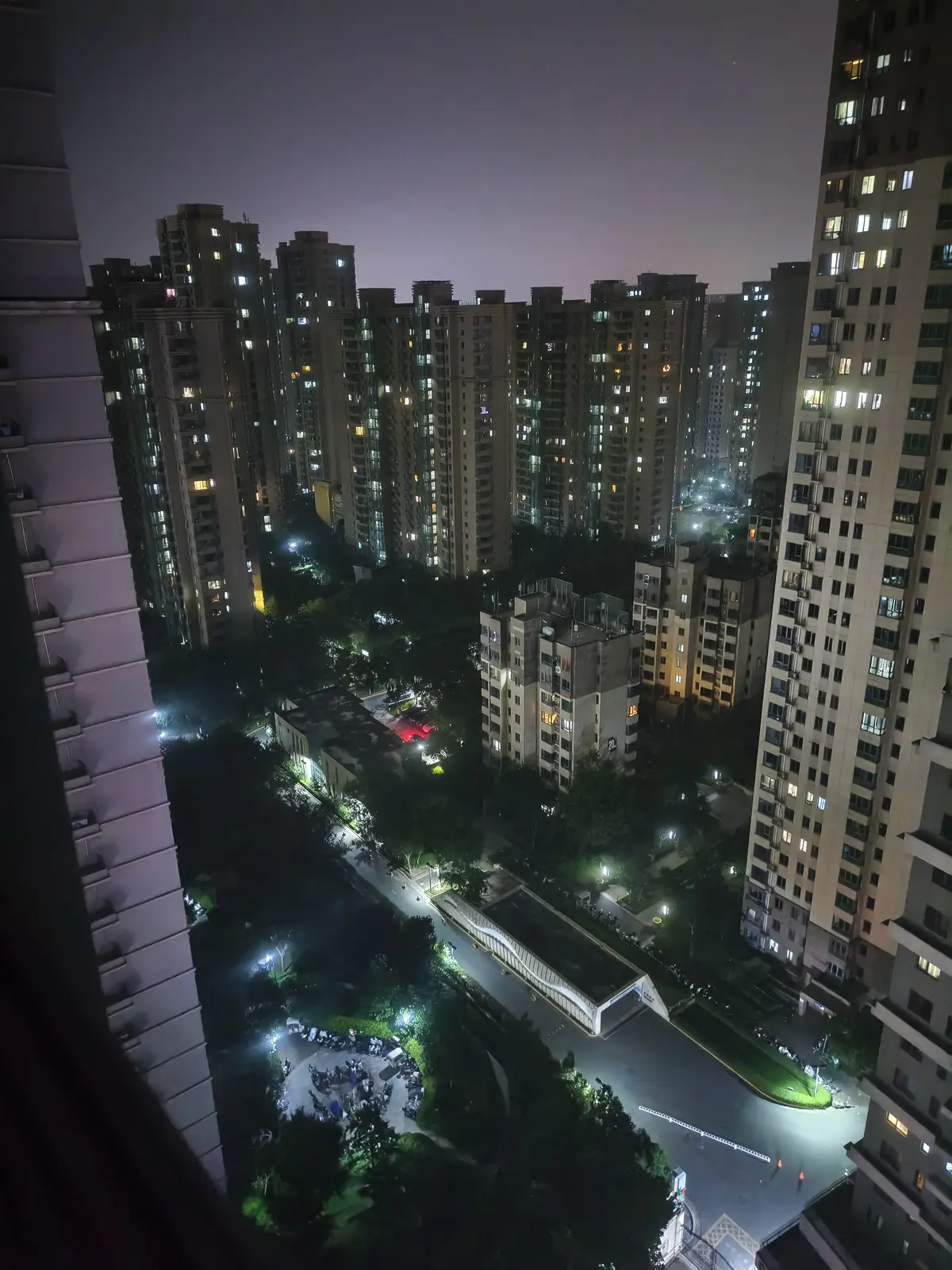
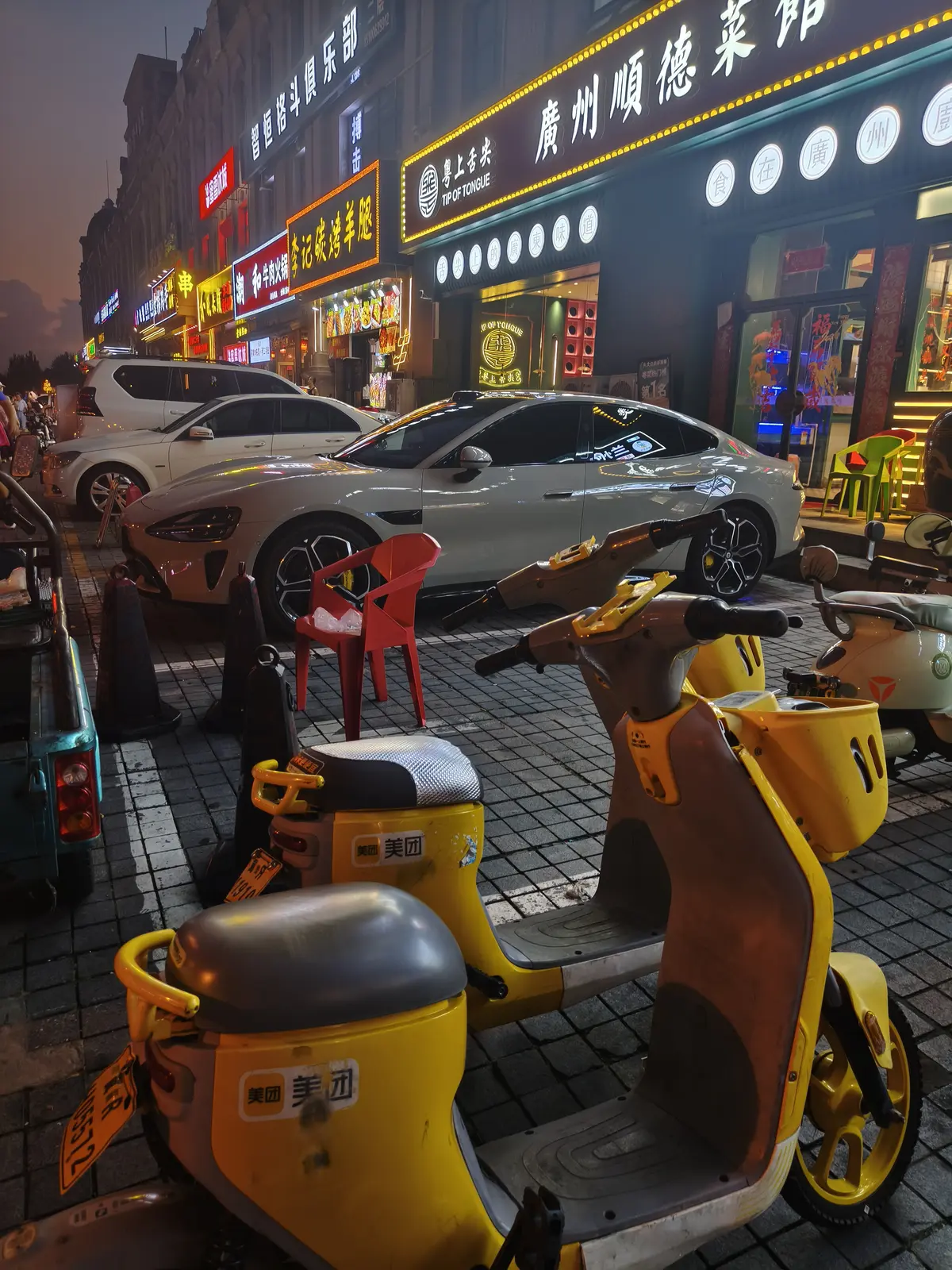
None of this changes how you tell time day to day as a learner, but it's exactly the kind of detail that makes a country click a little more into focus, and it's exactly the kind of thing we build into real lessons, not just vocabulary lists.