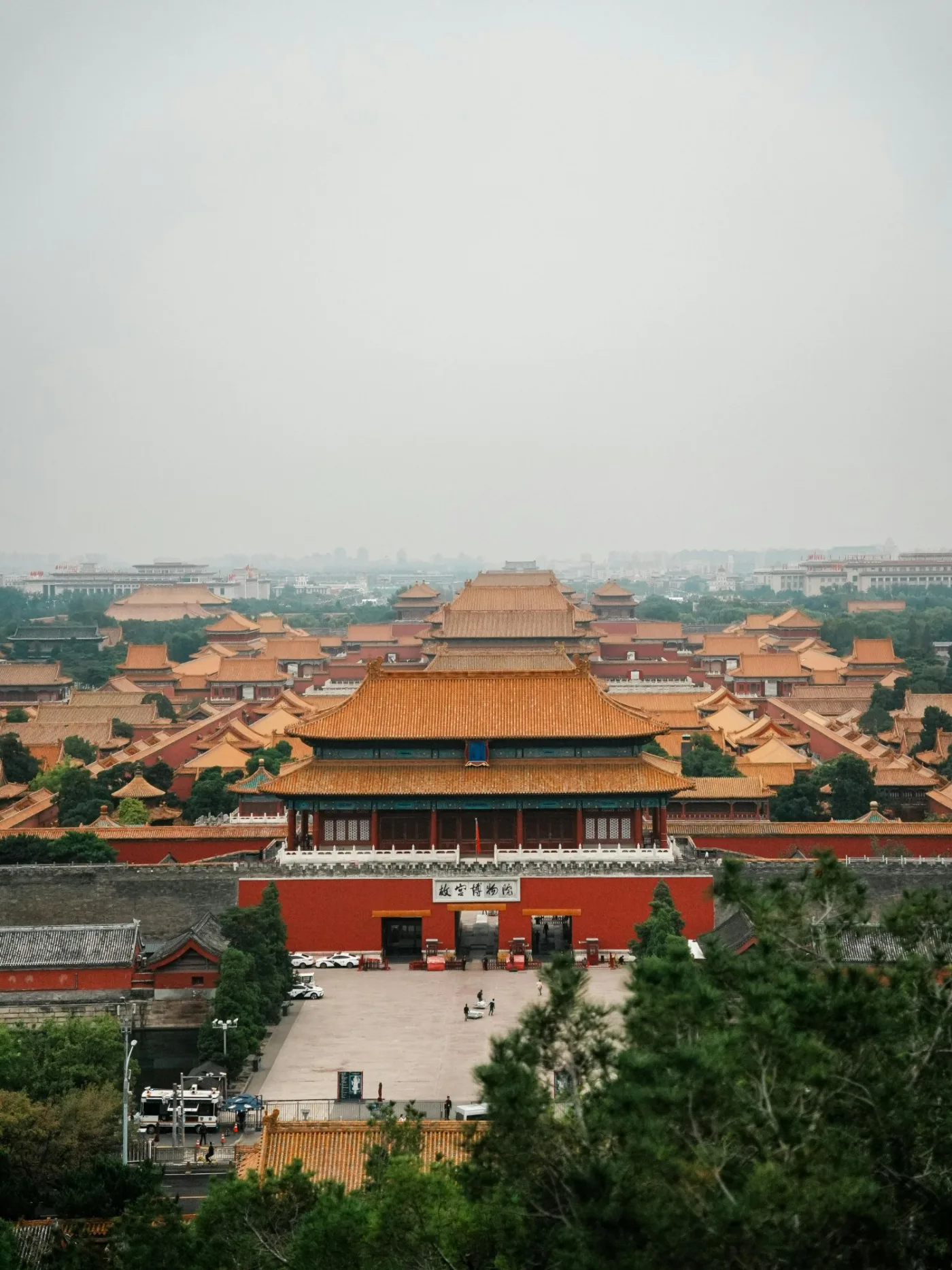
Every city name tells a story
Chinese city names are not arbitrary sounds. Almost every single one means something. Once you start breaking them apart, you'll notice patterns that help you read and remember Chinese far faster. 北 (běi) always means north. 南 (nán) means south. 海 (hǎi) means sea. 山 (shān) means mountain. Cities become vocabulary.
Below are ten cities every Chinese learner should know by name, character and meaning. Whether you're planning a trip or simply building your Mandarin foundations, these are the places that come up again and again in conversation, news, business and everyday Chinese life.
The cities
The political and cultural heart of China. Every Chinese learner needs to know this name, including its tones: Běi (3rd tone) + Jīng (1st tone), if tones are still tricky, our Chinese Tones guide covers exactly this. The character 京 on its own means "capital", and appears in many words related to grandeur and importance. If you're preparing for HSK exams, 北京 will appear in listening and reading exercises constantly.
China's biggest city and financial capital. The name is beautifully simple: you are on the sea. 上 (shàng) is one of the first characters learners encounter: it means above, on top of, or to go up. 海 means sea and appears in dozens of useful words. Shanghai Mandarin has its own dialect (沪语, Hùyǔ), but standard Mandarin is spoken widely and is what you'll need for business.
Capital of Sichuan province and home to the giant panda. The character 都 (dū) meaning "major city" also appears in 首都 (shǒudū, capital city) and 都市 (dūshì, metropolis). Chengdu is famous for its relaxed pace, its tea houses and its eye-wateringly spicy food: 麻辣 (málà, numbing and spicy) is the flavor of the city. Great vocabulary for any learner who loves food.
The gateway to southern China and one of the oldest trading cities in the world. 州 (zhōu) is a classical word for an administrative region and appears in dozens of city names like 杭州 (Hángzhōu) and 苏州 (Sūzhōu). Guangzhou is a Cantonese-speaking city, so standard Mandarin learners will notice the difference when they visit. For Conversational Chinese learners, Guangzhou's trade fair (广交会, Guǎng Jiāo Huì) is the world's largest.
A beautiful coastal city in the northeast of China, known for its clean streets, seafood and mild summers. 大连 has a fascinating mix of Chinese, Russian and Japanese architectural heritage from its colonial past. The character 大 (dà) meaning "big" is one of the very first characters any learner encounters, and 连 (lián) meaning "to connect" appears constantly in everyday Mandarin: 连接 (liánjiē, connection), 联系 (liánxì, to contact). Dalian is also an important port and logistics hub, with useful vocabulary for Conversational Chinese students.
One of the oldest cities in the world and the start of the Silk Road. The terracotta warriors, the ancient city wall and the Muslim Quarter make it a top destination for travelers and history lovers. Notice the apostrophe in Xi'an: it separates two syllables that would otherwise be misread. 安 (ān) meaning "peace" is a beautiful character that appears in 安全 (ānquán, safety), 平安 (píng'ān, safe and sound) and the common greeting 您好,一切安好吗 (is everything well with you?).
Forty years ago this was a fishing village. Today it's China's tech capital, home to Huawei, Tencent, DJI and hundreds of other major companies. For Conversational Chinese learners, Shenzhen is essential. 深 (shēn) meaning "deep" appears in 深入 (shēnrù, to go deep into / thorough), 深度 (shēndù, depth) and 深夜 (shēnyè, late at night). The city itself is a reminder that in Chinese, even a humble drainage channel can become a world city.
China's largest city by area and population: a mountain city of dramatic hills, cable cars over rivers and legendary hotpot. 重 (chóng) is a fascinating character with two readings: chóng means "again" or "repeated", zhòng means "heavy". You'll encounter both: 重要 (zhòngyào, important), 重复 (chóngfù, to repeat). 庆 meaning "celebration" appears in 庆祝 (qìngzhù, to celebrate) and 国庆节 (Guóqìng Jié, National Day).
One of China's most beautiful cities, famous for West Lake (西湖, Xī Hú) and as the home of Alibaba. A Song dynasty poem says: "Above is heaven, below are Suzhou and Hangzhou" (上有天堂,下有苏杭, shàng yǒu tiāntáng, xià yǒu Sū Háng). Learning this proverb gives you several high-frequency characters at once: 上 (above), 天 (sky/heaven), 下 (below). Hangzhou is also a major destination for Tea Chinese learners: 龙井茶 (Lóngjǐng chá, Dragon Well tea) comes from here.
China's northernmost major city, famous for its spectacular Ice Festival (冰雪节, Bīngxuě Jié) every winter. The name is unusual: it's a transliteration of a Manchu word, not a Chinese meaning. This makes it a useful reminder that not every Chinese city name can be broken into meaningful characters. It also gives you great vocabulary: 冰 (bīng, ice) appears in 冰水 (bīngshuǐ, iced water), 冰箱 (bīngxiāng, fridge) and 不加冰 (bù jiā bīng, no ice please).
One pattern worth remembering
Many city names use compass direction characters that you'll use constantly in everyday Chinese. Learn these four and you can immediately decode dozens of cities, street names and directions.
| Character | Pinyin | Meaning | Appears in |
|---|---|---|---|
| 北 | běi | North | 北京, 北海, 湖北, 东北 |
| 南 | nán | South | 南京, 南宁, 云南, 海南 |
| 东 | dōng | East | 山东, 广东, 东北, 东方 |
| 西 | xī | West | 西安, 西湖, 广西, 陕西 |