Why malls matter so much in China
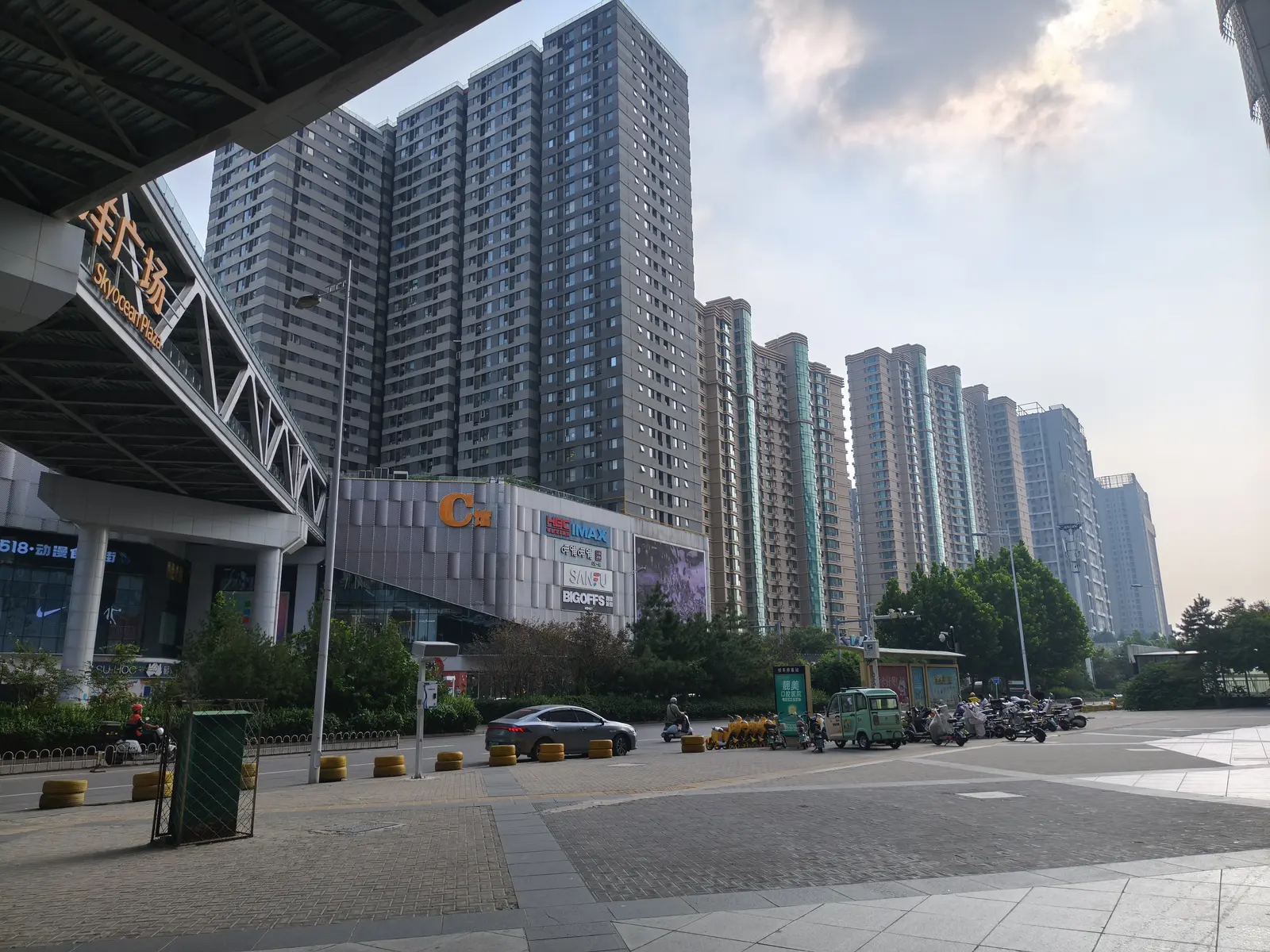
If you've ever flown into a Chinese city and looked down at the endless rows of tall apartment blocks, it starts to make sense: with that many people living close together, you need somewhere for everyone to go. That's the role the shopping mall (商场, shāngchǎng, or 购物中心, gòuwù zhōngxīn) plays. It's not a once-a-month errand. It's the local living room, open every day until around 10pm and sometimes later on weekends, always cool and air conditioned, which is a real relief in a country where summer temperatures regularly hit 35 degrees.
Because there's simply so much to do inside, far less time gets spent watching television at home. Weekends, and Sundays especially, are when malls are at their busiest, packed with families and full of things for children to do.
Floor by floor
Every mall is organized a little differently, but a few floors show up again and again. Here's a typical layout, from the roof down to the parking garage.
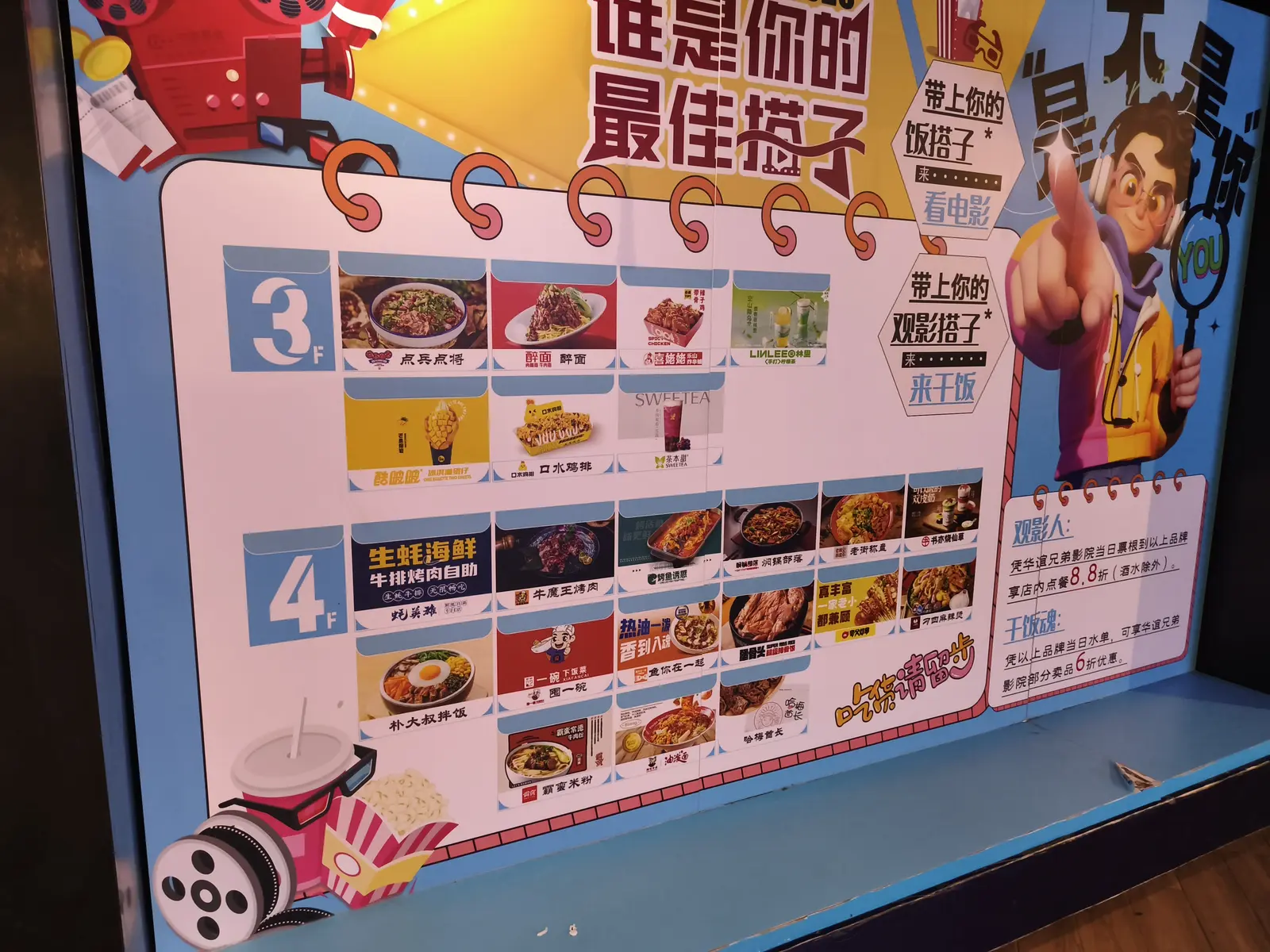
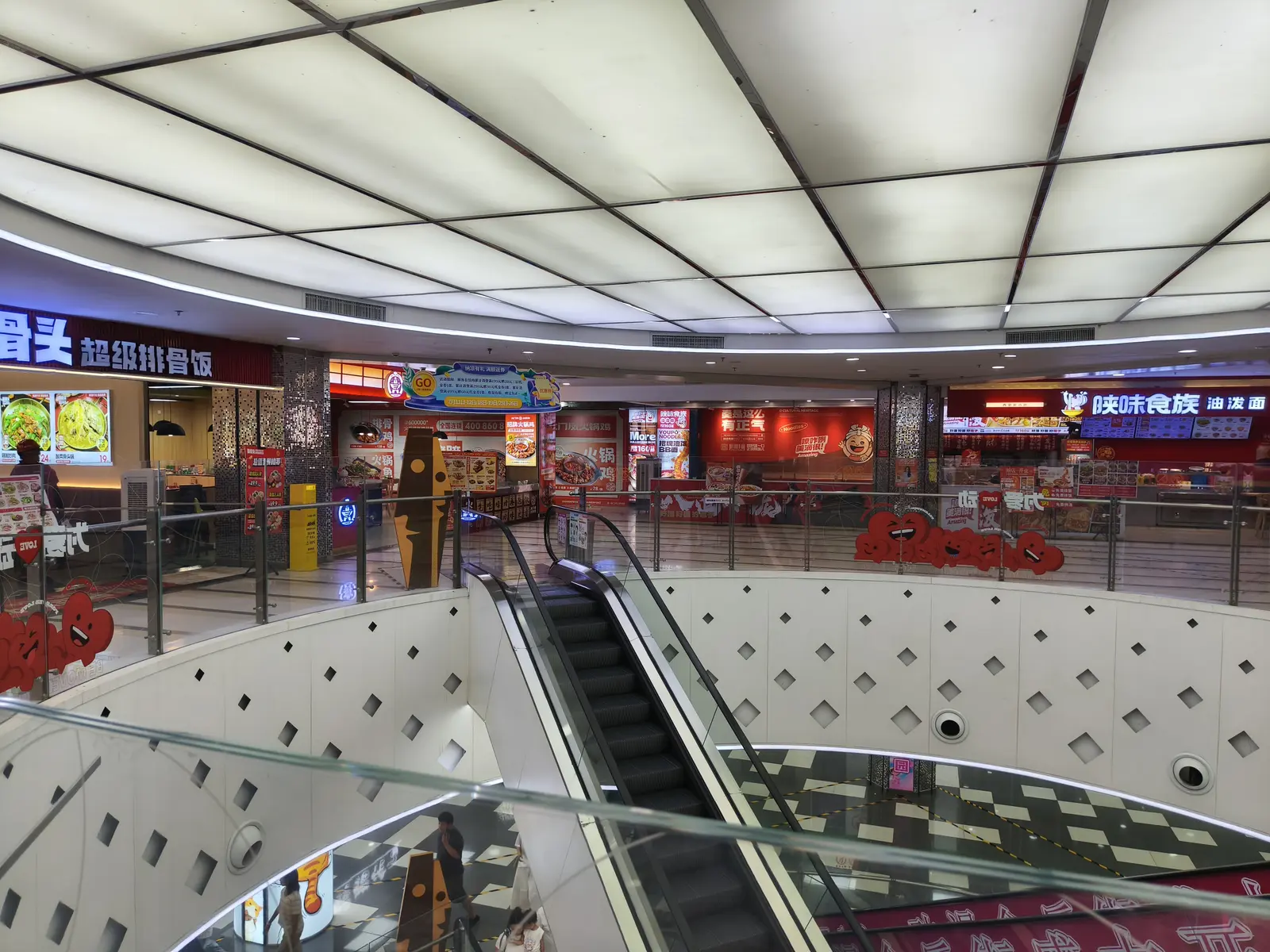
This is often the biggest draw. Dozens of small, independently run restaurants sit side by side, each specializing in one region or one dish. You'll find Xi'an noodles, Xinjiang lamb skewers, Hong Kong-style dim sum, and just as often an Italian-themed corner selling pizza and pasta. Hotpot restaurants (火锅, huǒguō) are especially common, and there's usually more than one competing right next to each other.
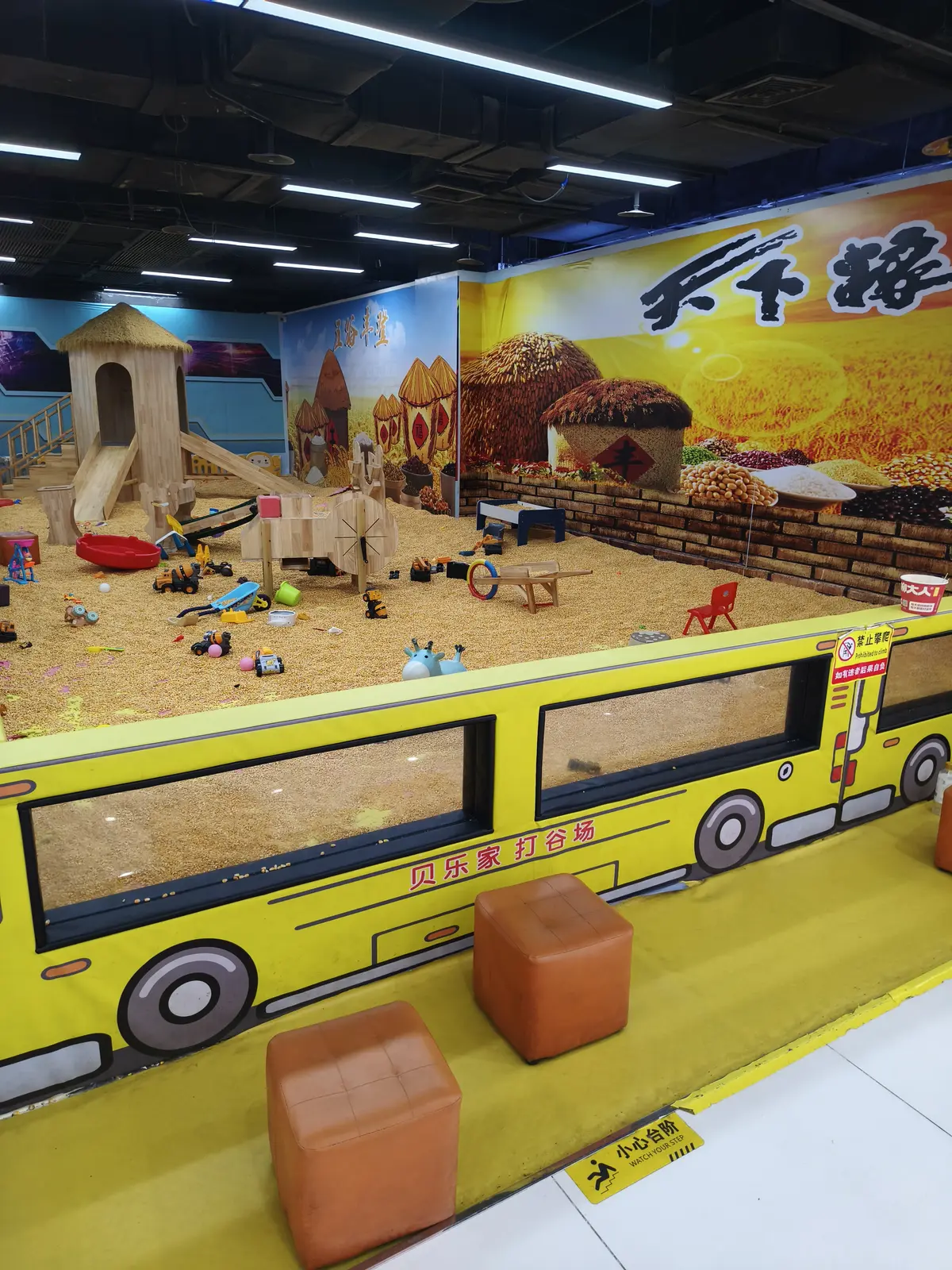
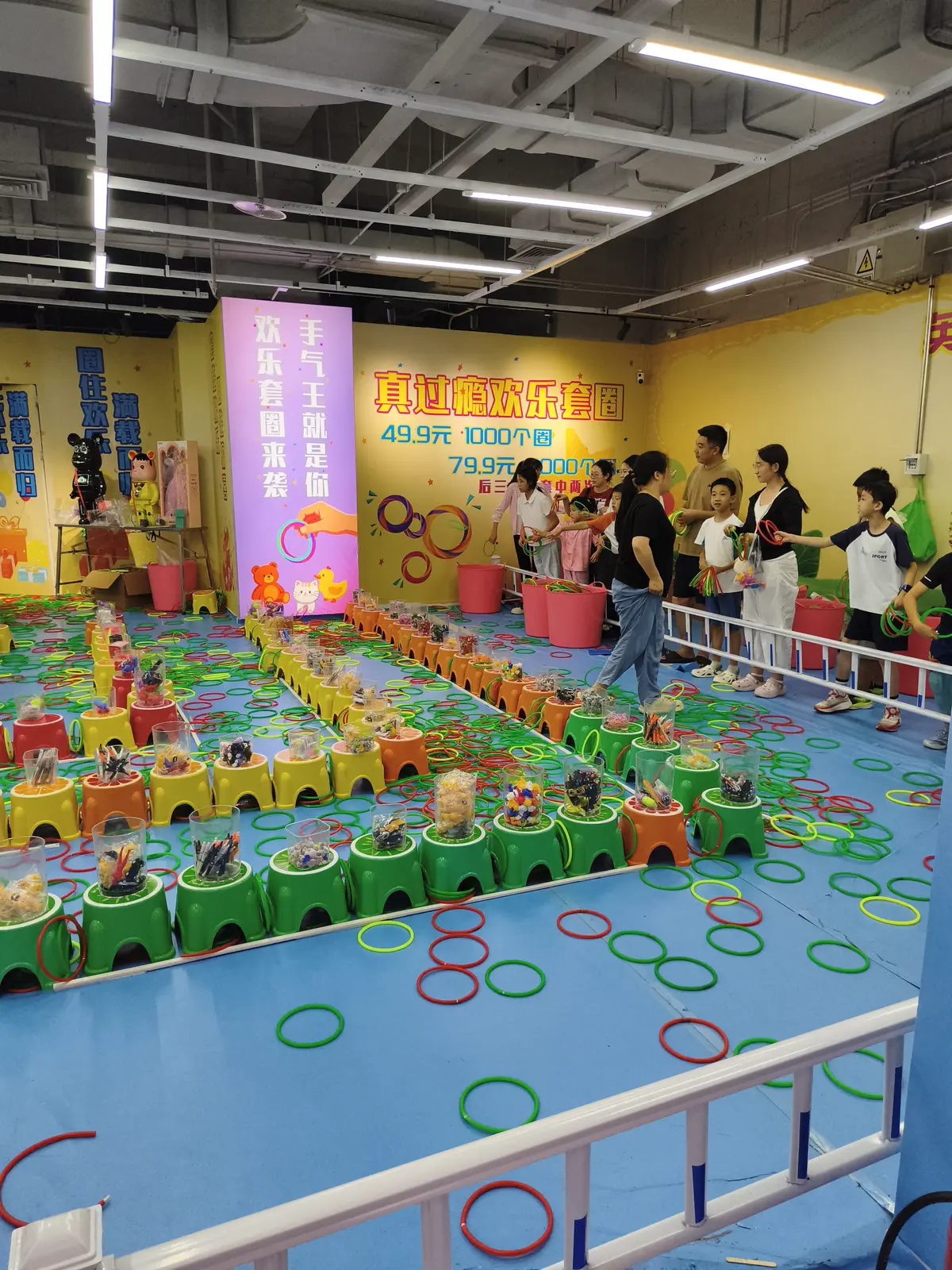
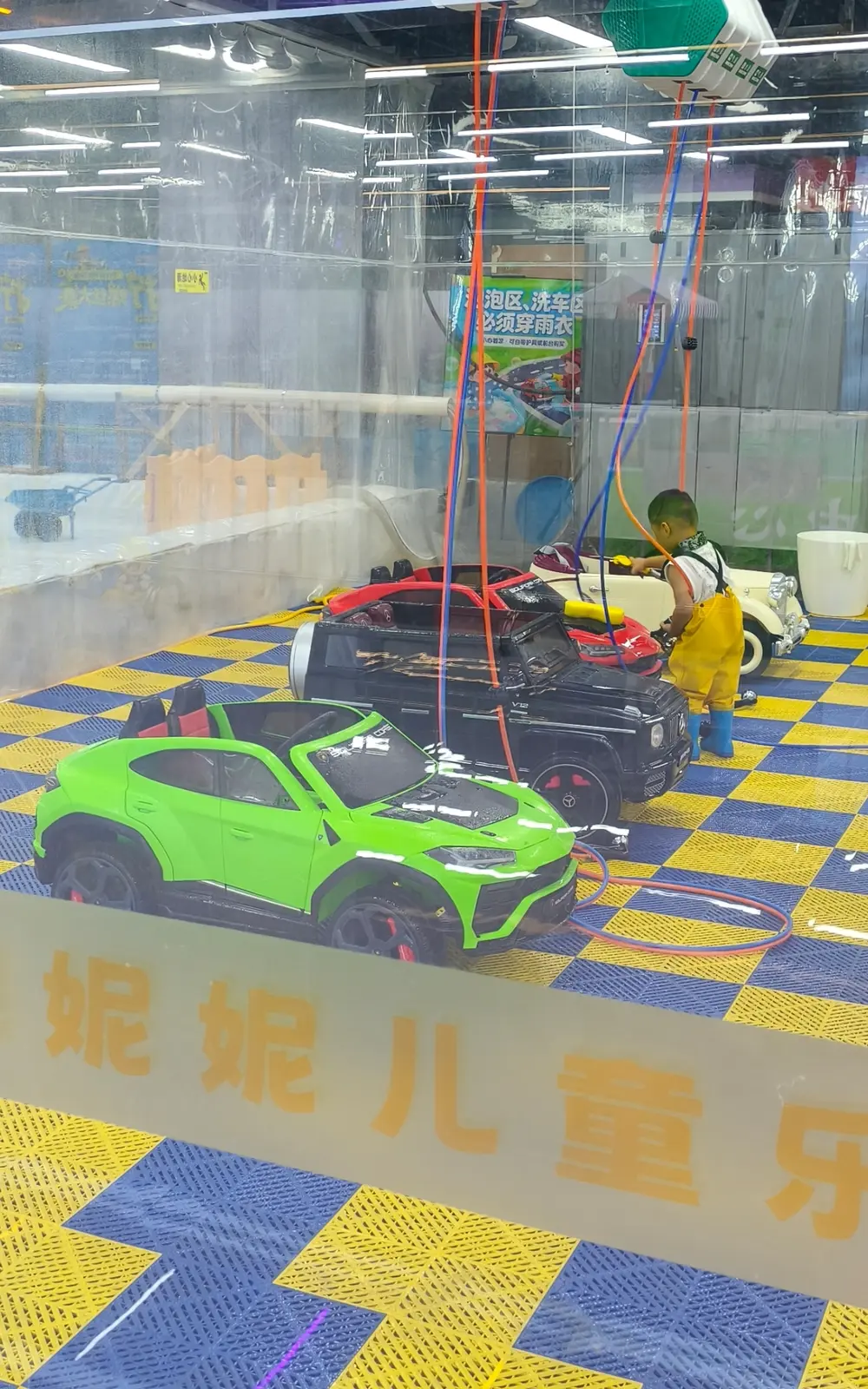
Usually just below the food floors, this is a full floor built for the youngest visitors. Think soft play structures, coin-operated toy car washing stations complete with real water jets, ring toss games and claw machines full of stuffed animals. For families with small children, this floor alone can be a reason to visit the mall every week.
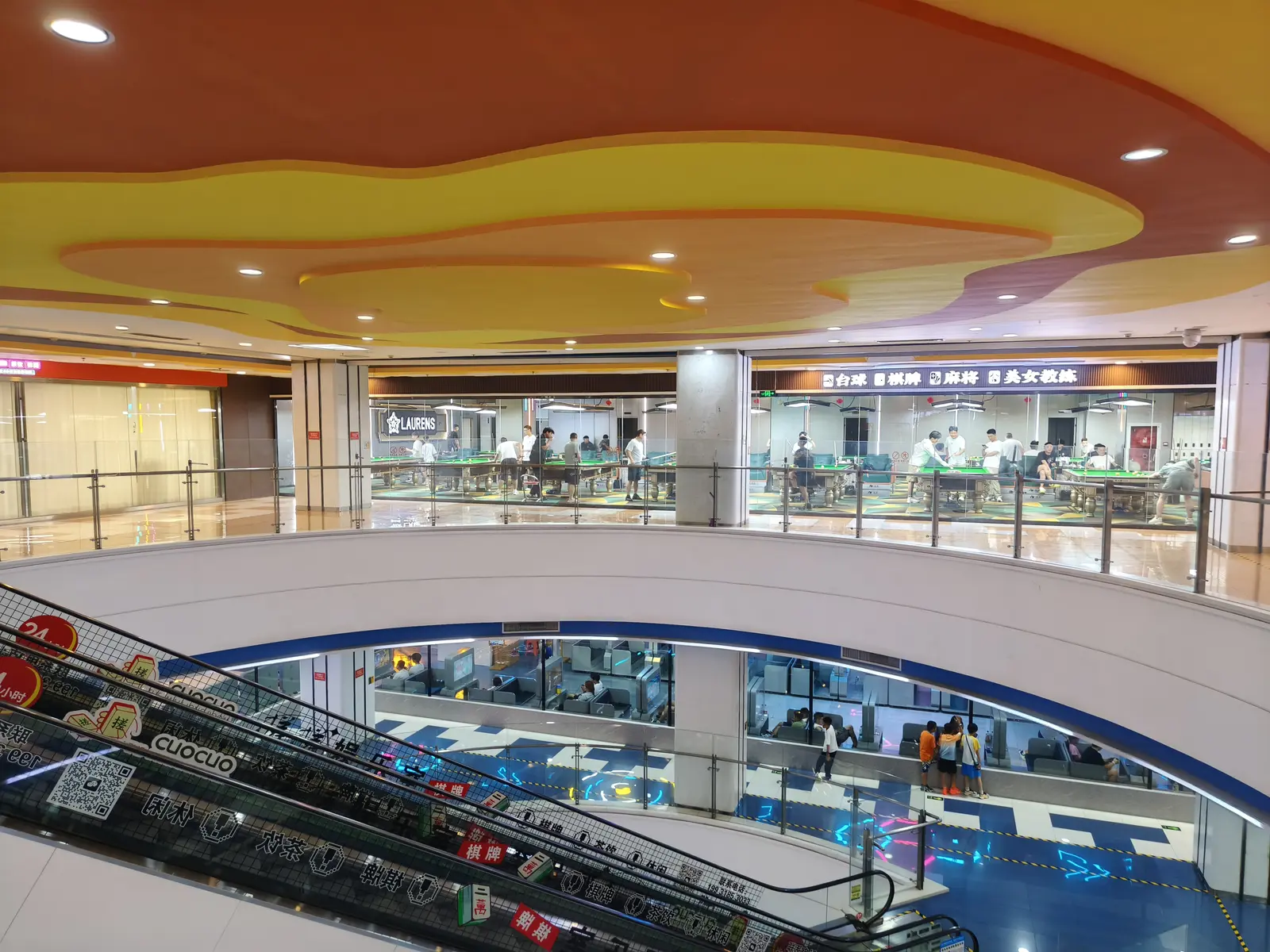
Another floor is typically dedicated to fitness and sport: gyms, ping pong tables and badminton courts are all common finds, often visible through glass walls facing the mall's central atrium.
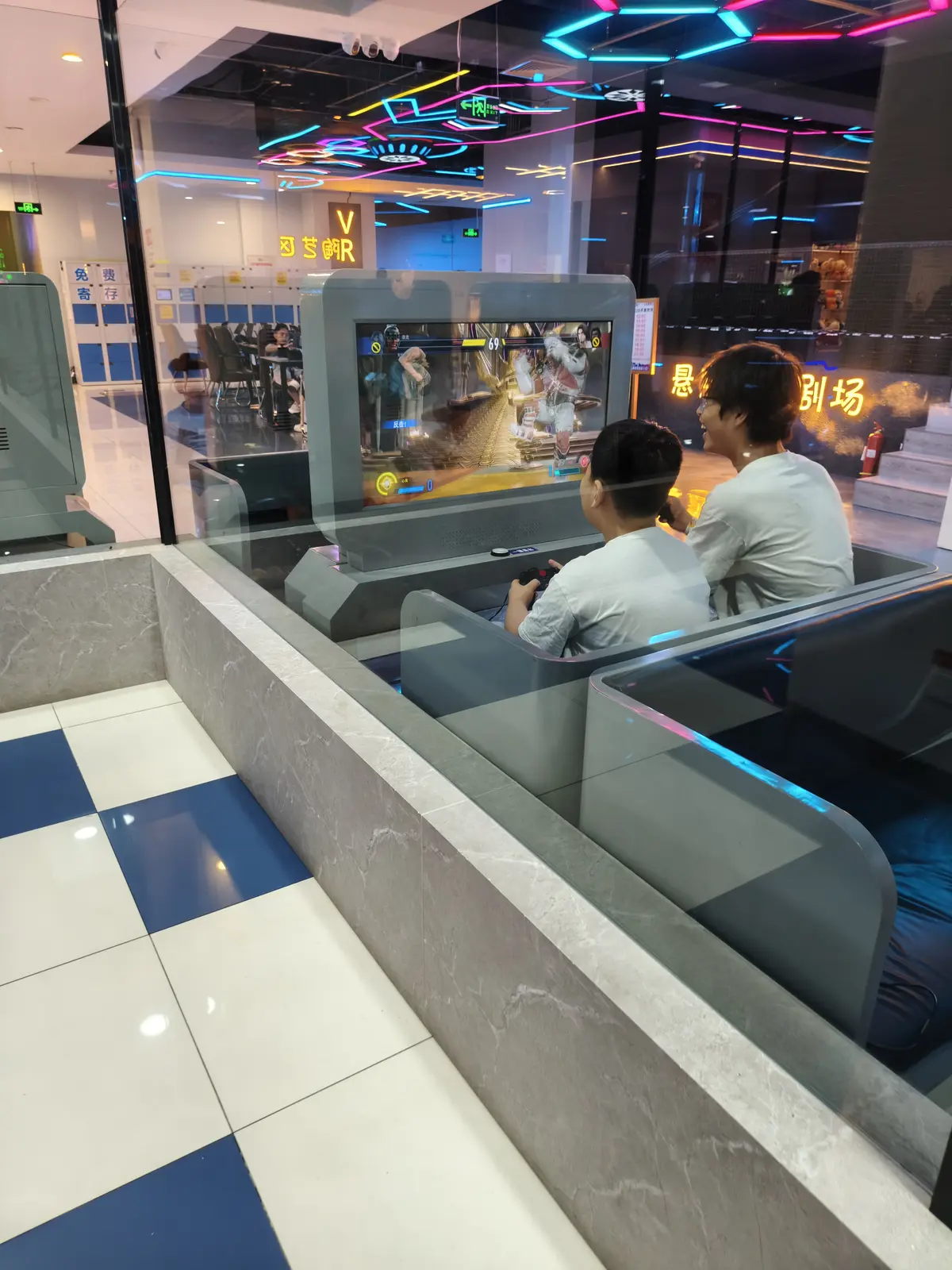
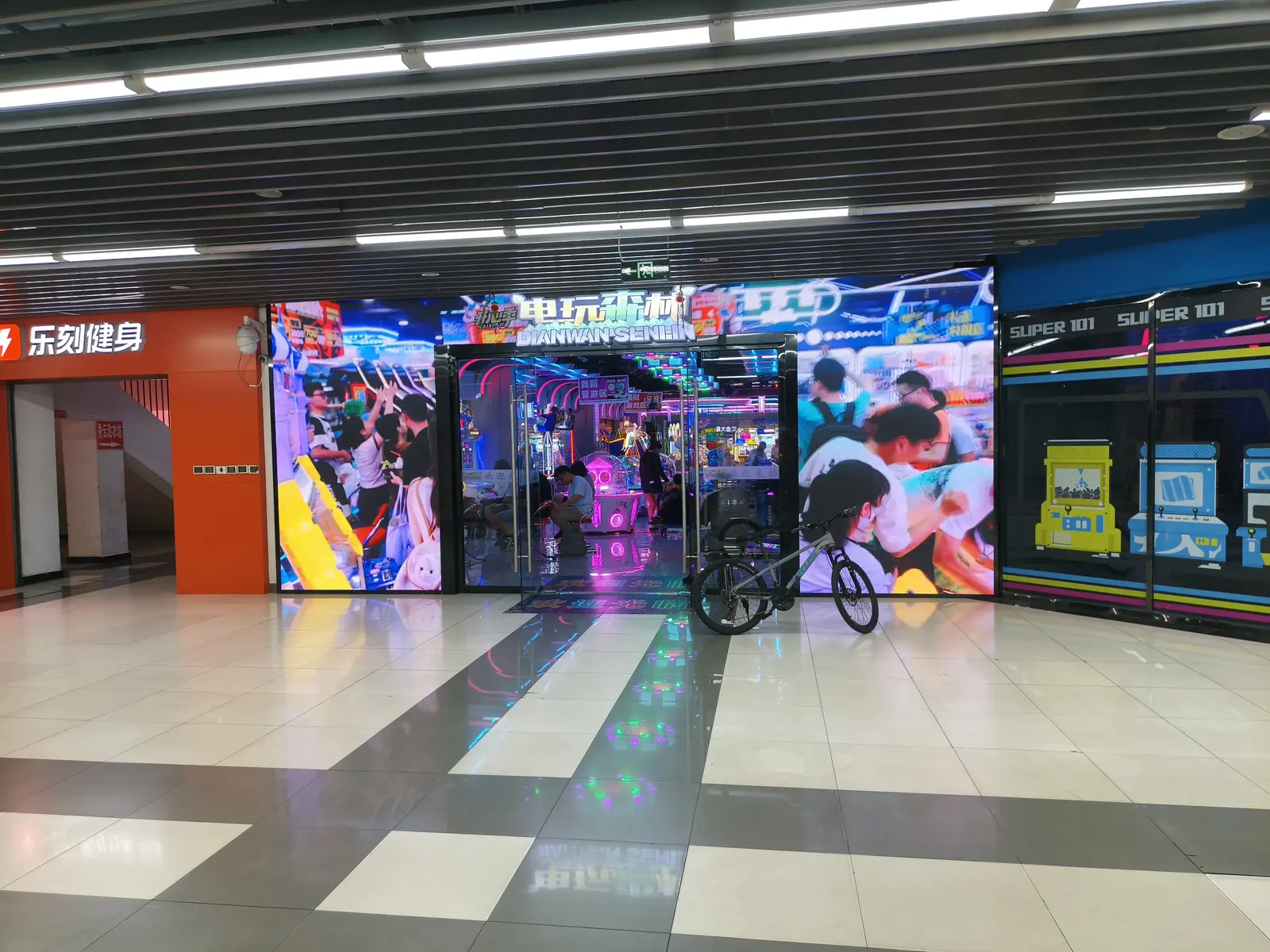
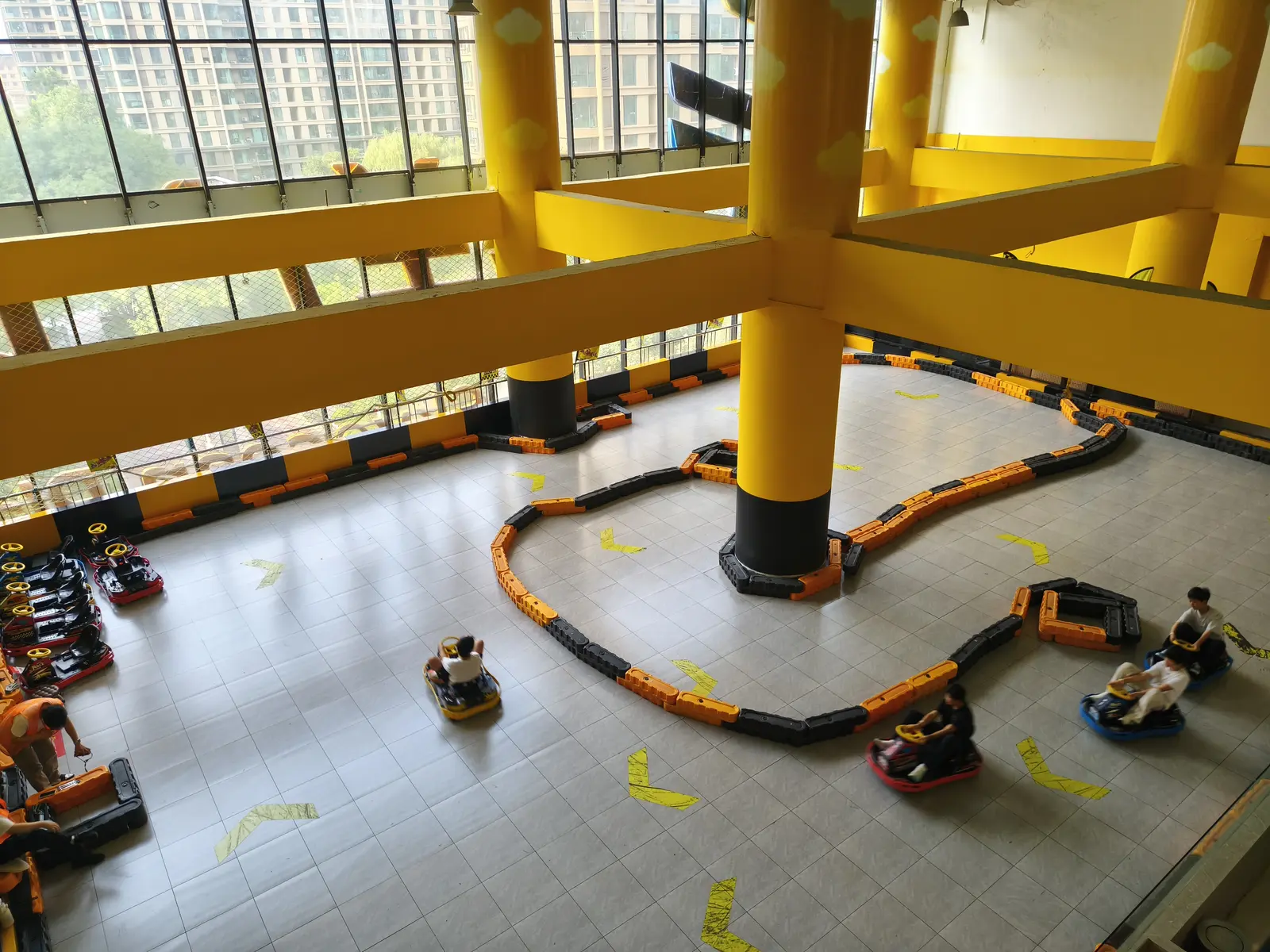
A separate floor is usually built for a slightly older crowd: rows of PlayStations, each with its own private screen and a lounge sofa, alongside pool tables and arcade games. Some malls even fit in an indoor go-kart track. This is where teenagers and young adults tend to gather after school or work.
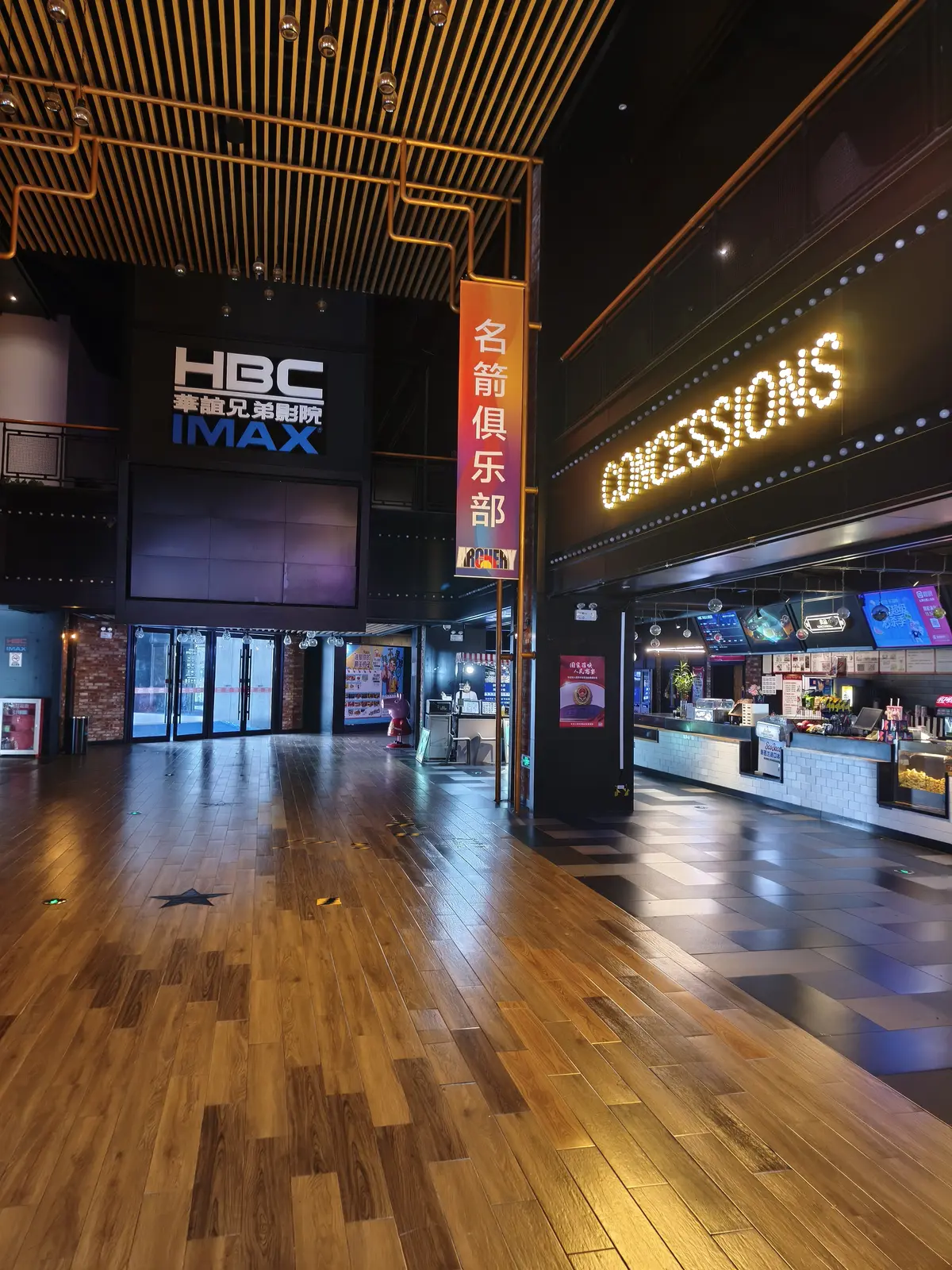
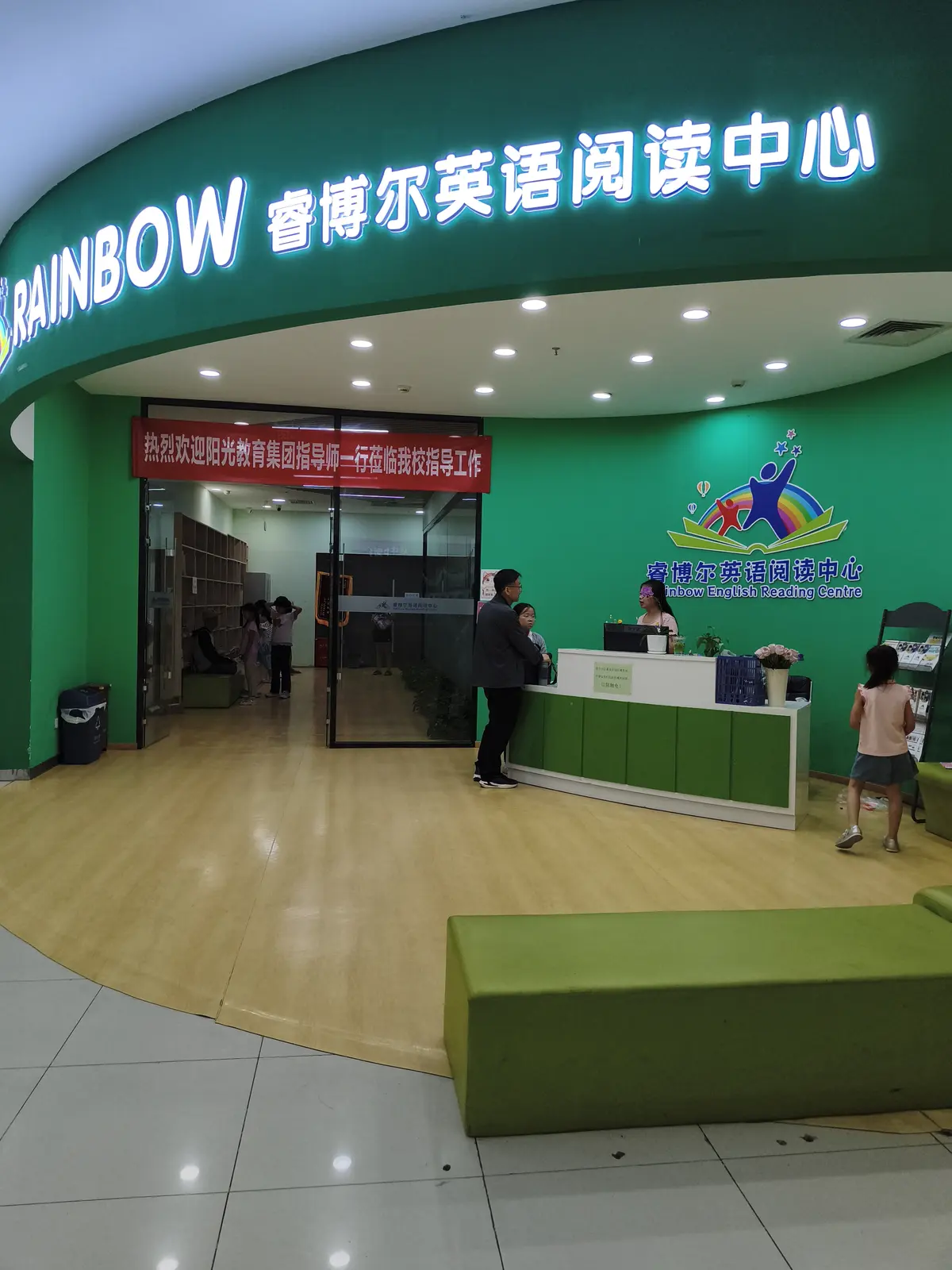
Most malls also have a cinema (电影院, diànyǐngyuàn), often shortened in everyday speech to just 影院 or 电影院. On the same floor, or one nearby, you'll frequently find small training centers where children take after-school classes: English lessons, music lessons, art, and more. It turns a weekend mall visit into something between a family outing and a school run.
The ground floor is reserved for the big names: luxury clothing brands and electronics stores, and on the larger sites, car showrooms too. Fast food chains and coffee chains almost always have a presence here, and the plaza just outside the mall's main entrance often fills up with people dancing in the evening, known as square dancing (广场舞, guǎngchǎng wǔ).
Below ground is often a large supermarket, or a row of small street-food style stalls, indoors rather than out on the street. A second basement level, if there is one, is usually reserved for parking.
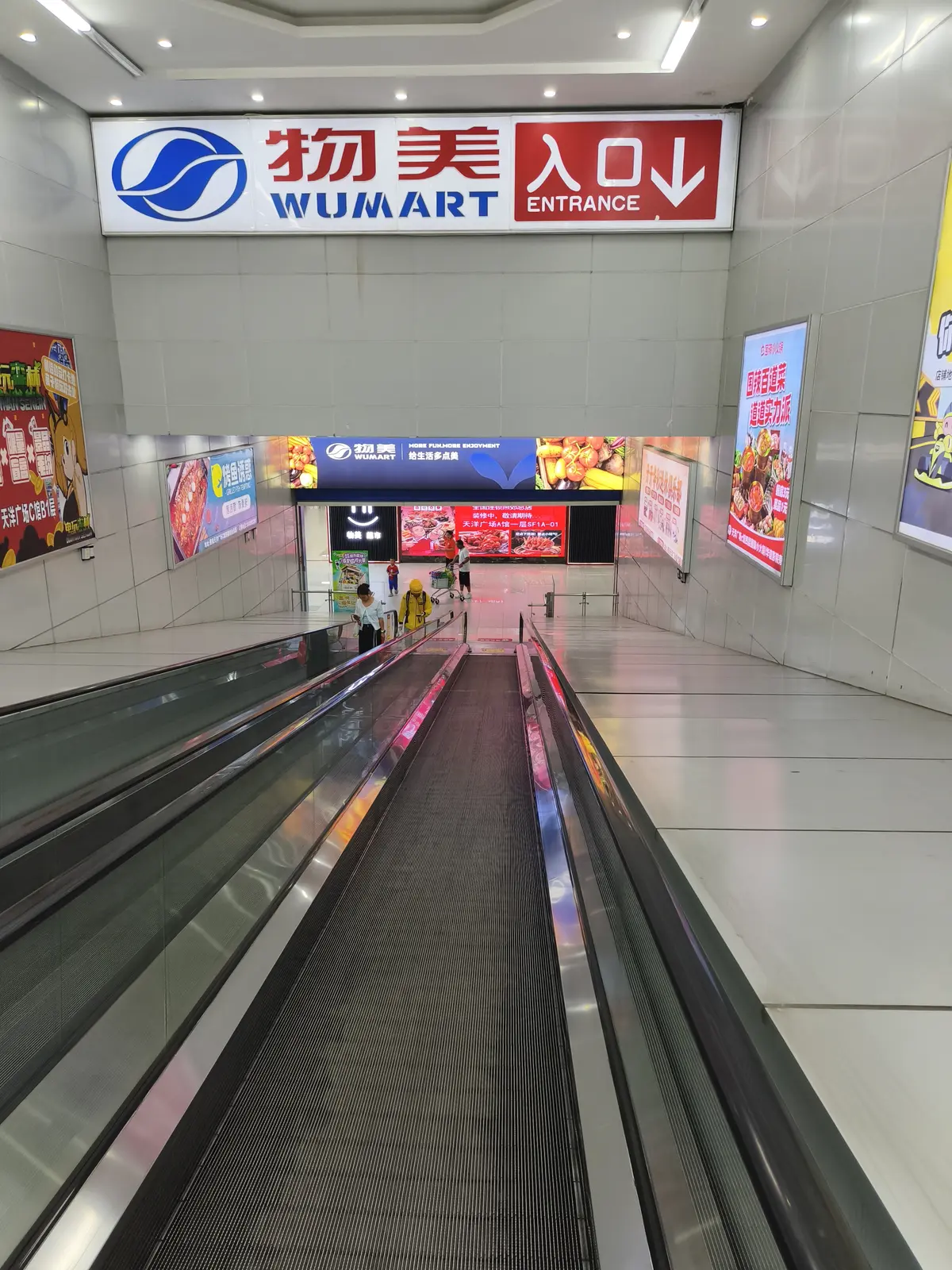
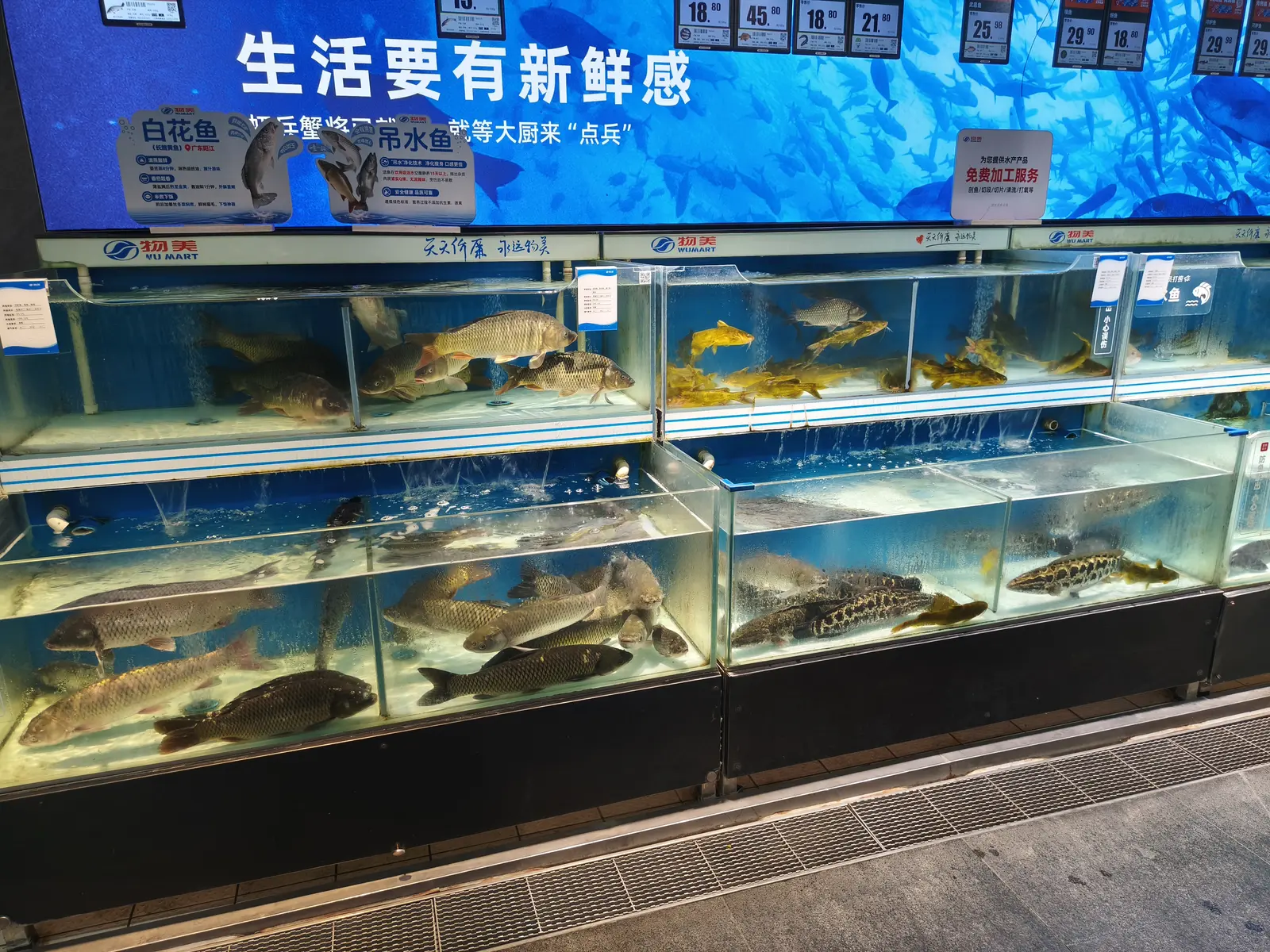
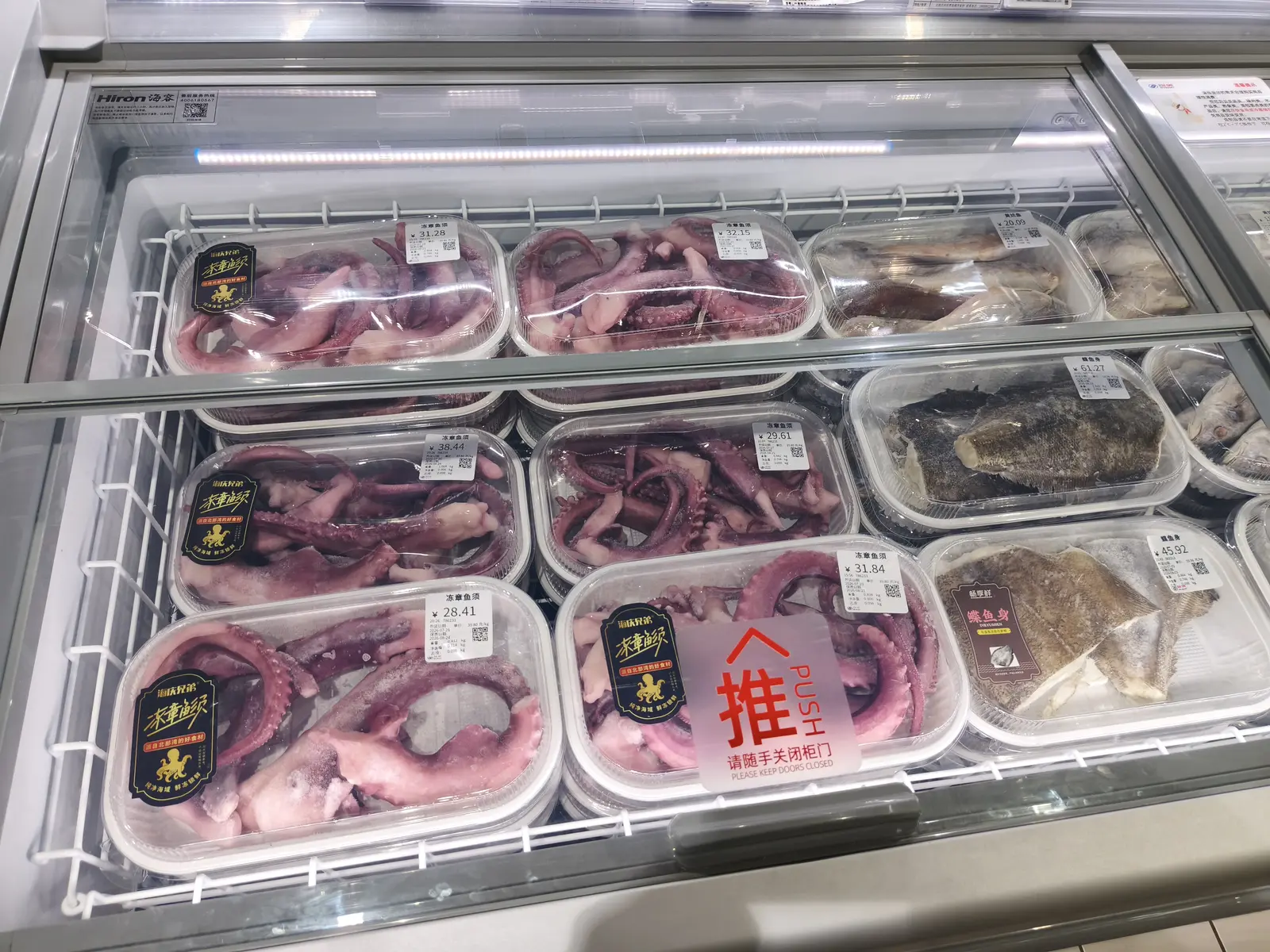
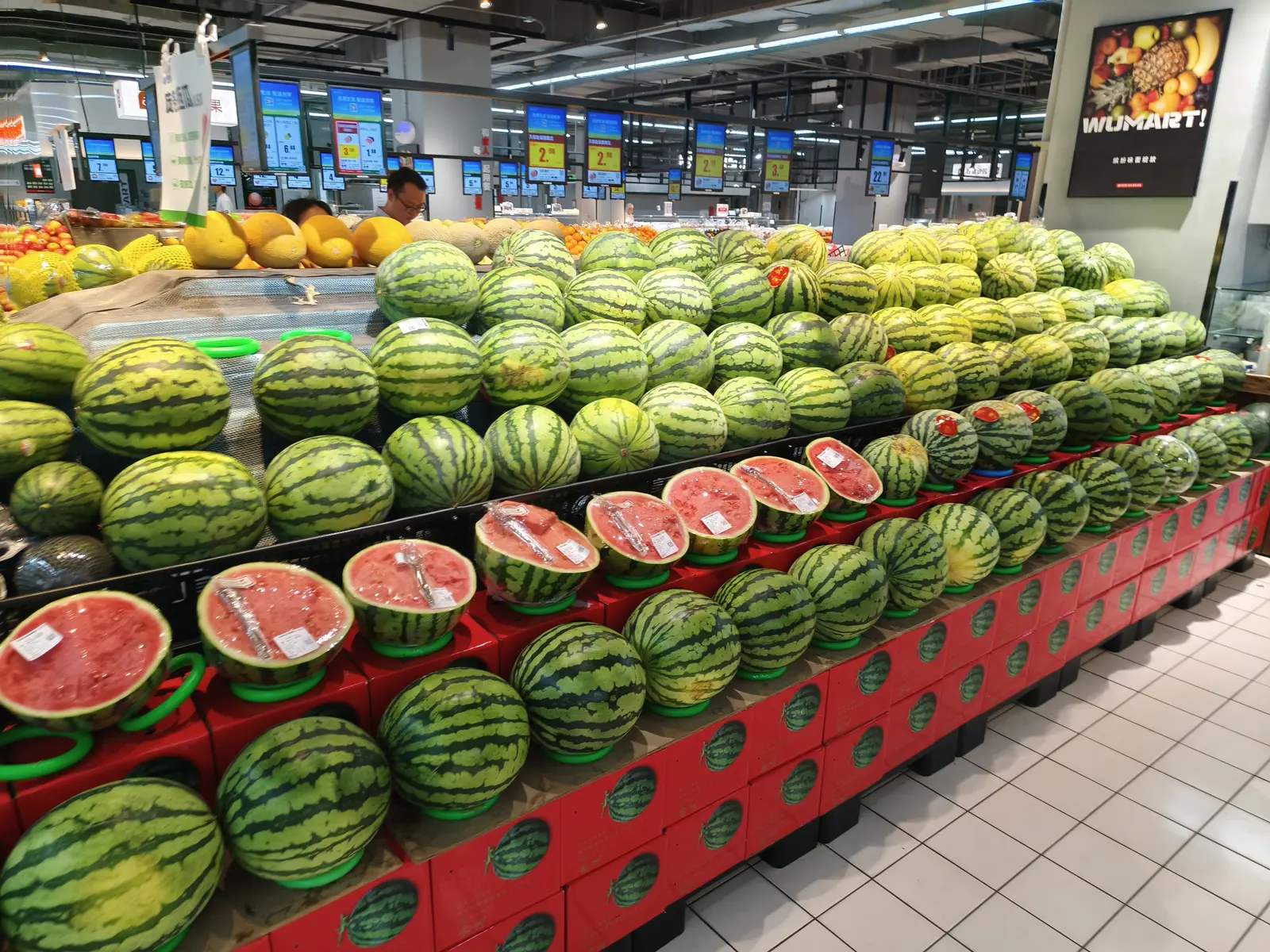
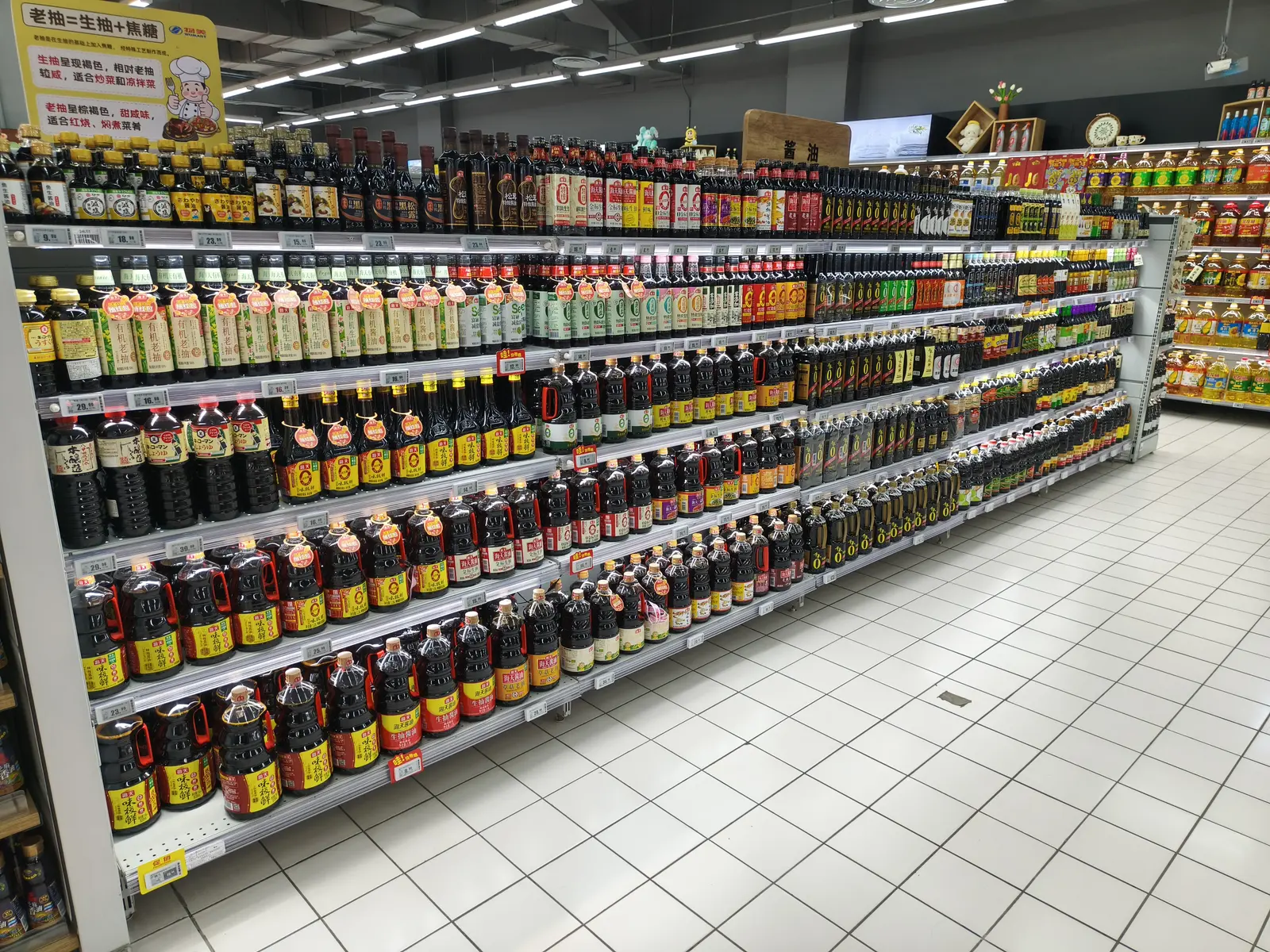
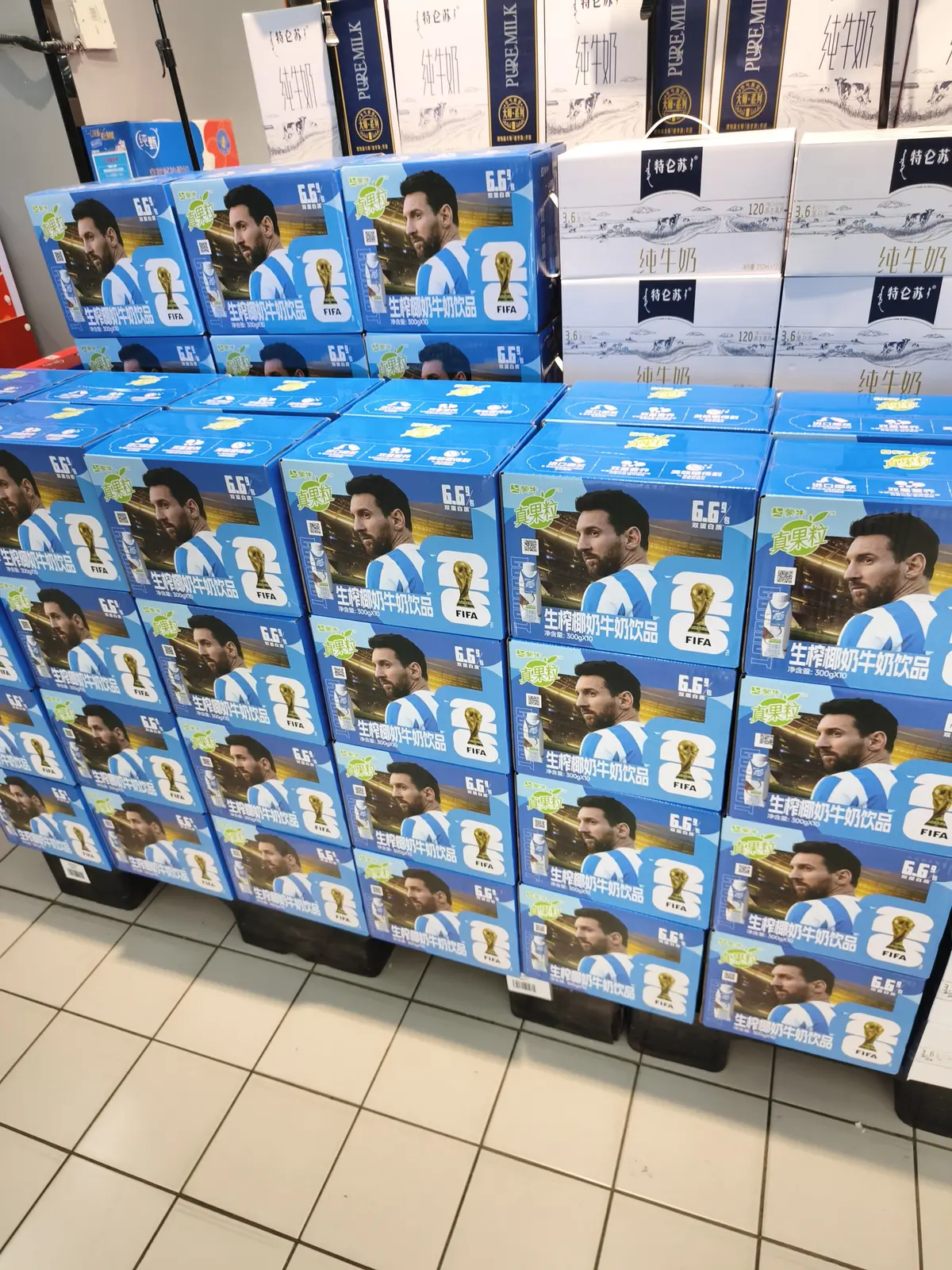
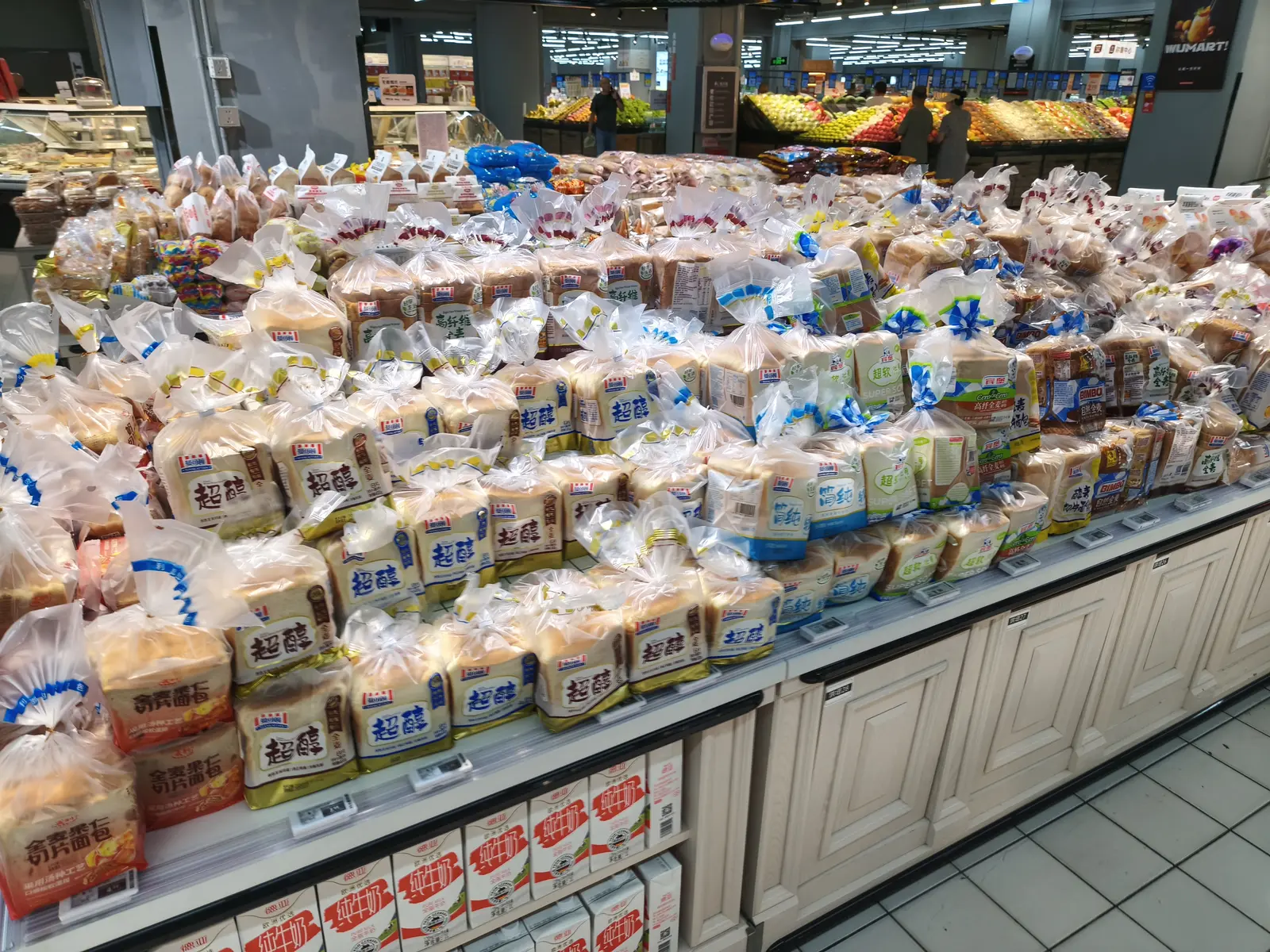
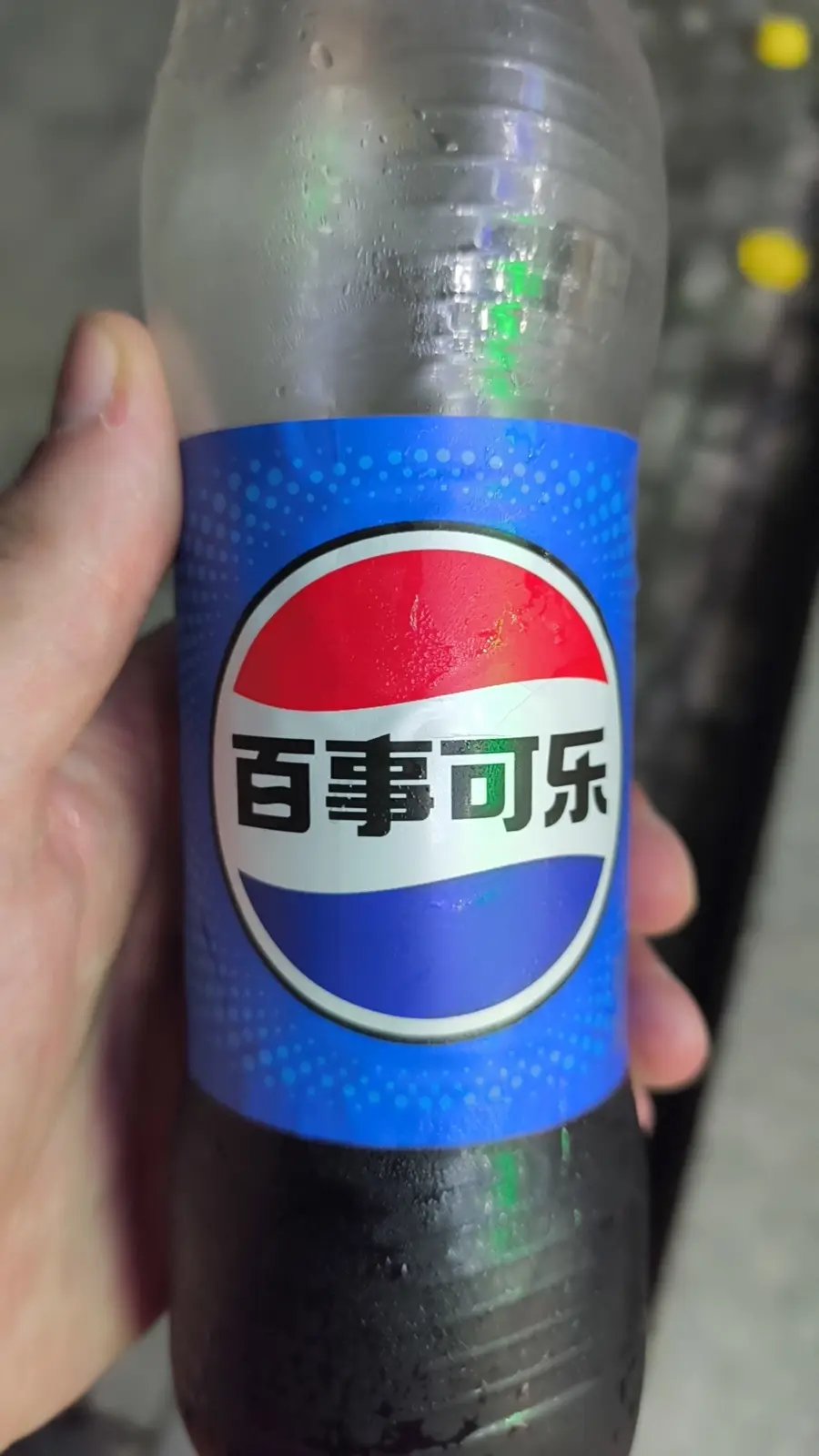
These basement supermarkets are worth a closer look on their own. Fresh fish and seafood are often sold live, straight out of tanks, and shoppers judge freshness the same way you might at a fish market: by looking the fish in the eye. Fruit, vegetables and packaged goods are piled high, and it's common to see both Chinese and English on the labels, which makes the supermarket an unexpectedly good place to practise reading.

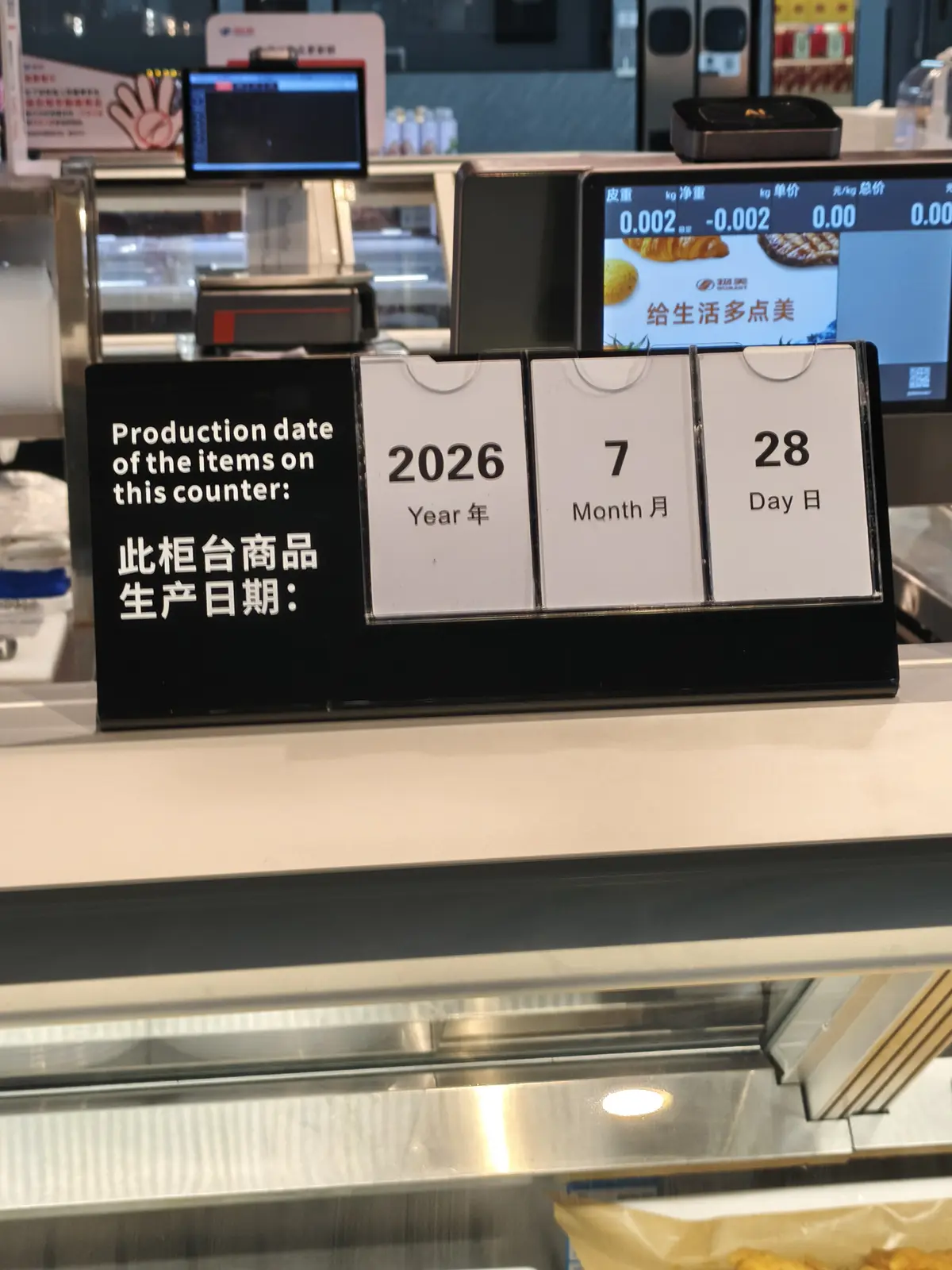
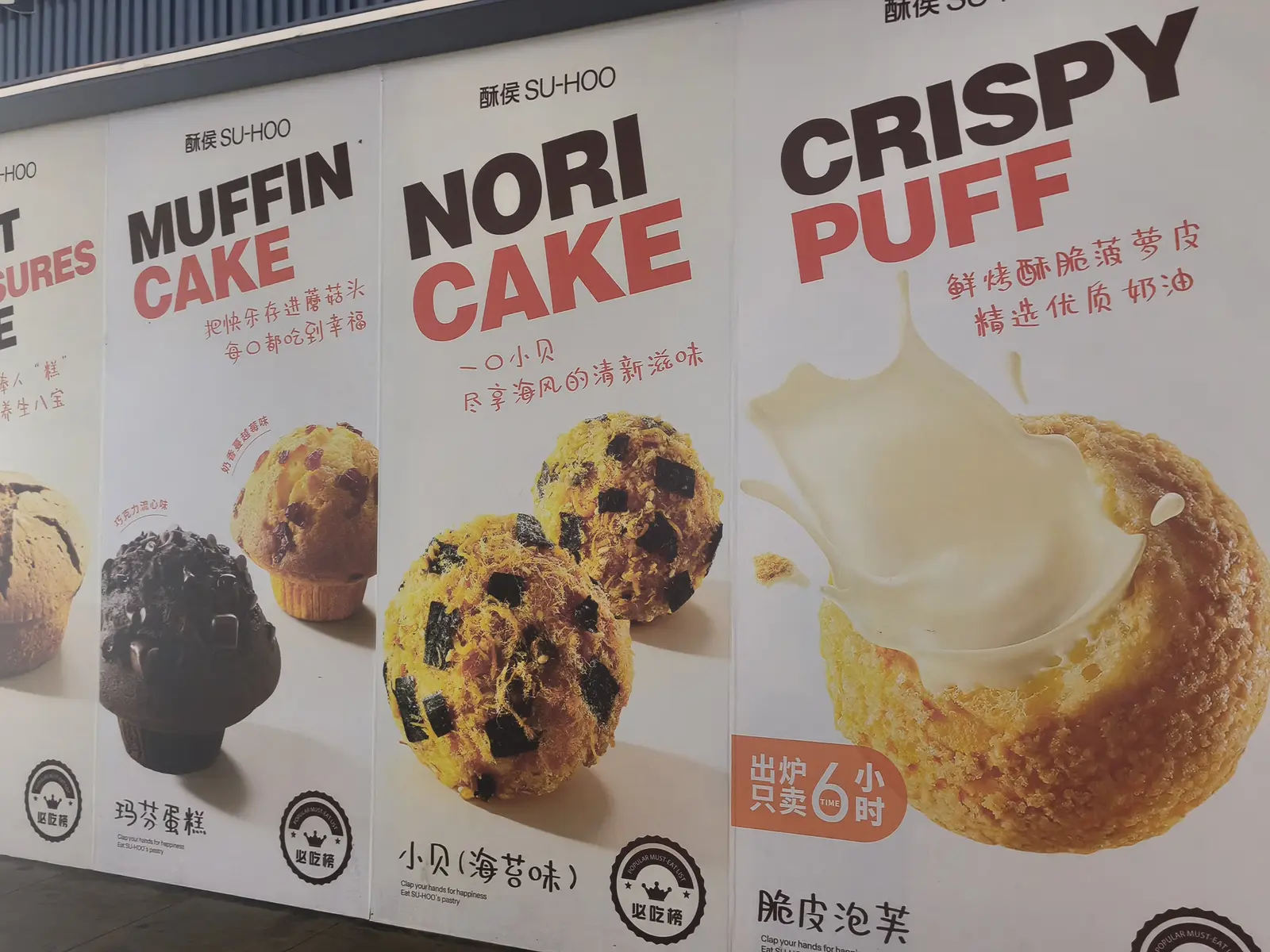
Bakeries inside the mall often discount unsold cakes and pastries once the store is close to closing time, and food delivery apps like Meituan let you order ahead from mall restaurants and have it ready or delivered, which we cover in more detail in the apps everyone uses in China and ordering food in China.
One building, every generation
What makes Chinese malls stand out is not any single feature, it's that they're built for everyone at once. A grandparent can be doing tai chi or shopping for groceries in the basement while grandchildren play on the kids' floor, teenagers are at the arcade, and parents are eating hotpot on the top floor, all under one roof, all within a five-minute walk of home. Given how densely packed most Chinese cities are, with tower after tower of apartment complexes, it's easy to see why so many of these malls exist, and why they stay full every single evening and weekend.